




There are currently approximately 740 thousand Rohingya living in refugee camps in Bangladesh. They had to flee their homes in Myanmar (Burma) to this neighbouring Muslim country in 2017 to escape a brutal crackdown by the local army. The United Nations has described this crackdown on the Muslim minority as ethnic cleansing. Reportage photographer and traveller, Maroš Matoušek, who also works with ADRA Slovakia, recently visited Bangladesh. Now he is trying to retell the stories of the people there - both local and those who fled the genocide in Burma - through photographs. More about his fresh experience in the following interview.
Why did you decide to travel to Bangladesh as a photographer?
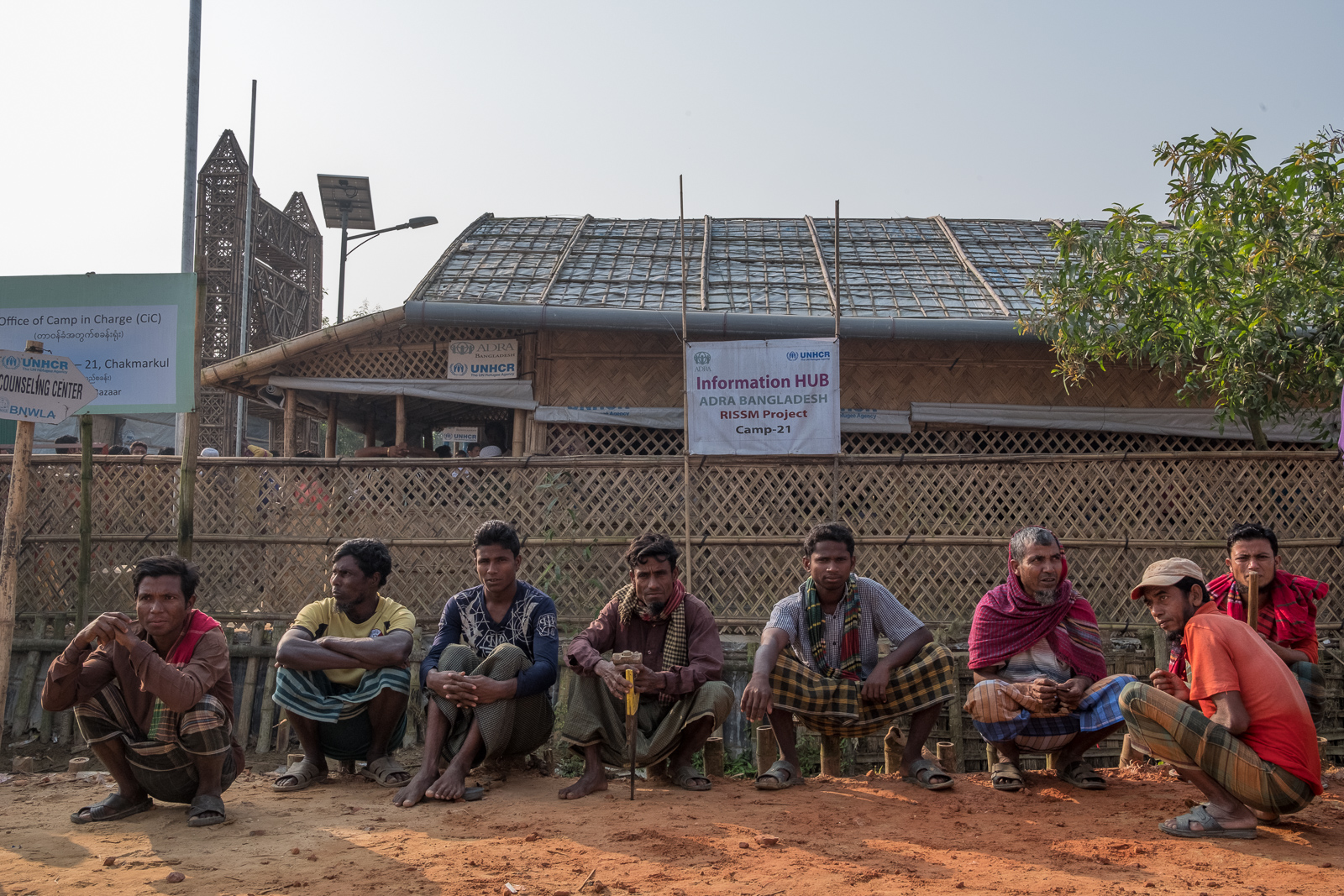
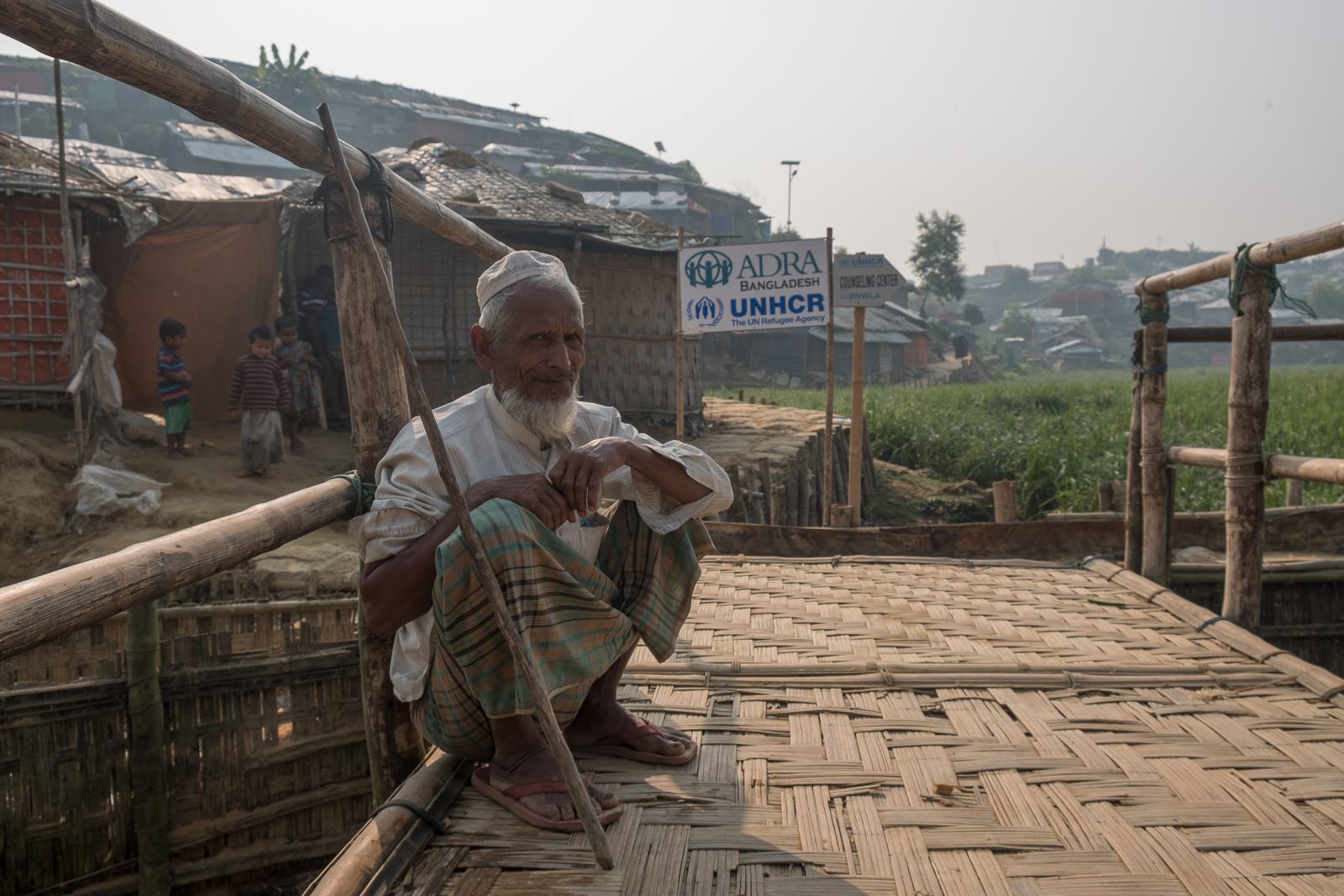
I have not yet visited the country, but I have heard a lot about the current refugee crisis of Myanmar's ethnic Rohingya minority. I have had both the desire and the need to visit a Bangladeshi refugee camp, or to witness how these people live there - in the relative safety of a neighbouring country.
Have you been to a so-called developing country before as a volunteer or photographer (if so, where)?
I have been working for ten years in the Bratislava office of an international company. In my free time I can travel and do charity work. As a volunteer and photographer in one, I was in Kenya for the first time in 2017. I offered the non-profit organizations Dobrota pro Afriku and Integra Slovakia to take photos of the progress of development projects they are implementing in the vicinity of Nairobi. The result was met with a positive response, and it gave me the idea - to continue recording similar charity activities in this way.
How much did you know about the so-called refugee crisis of ethnic Rohingya from Myanmar before you left?
I learned about the refugee crisis and the ethnic cleansing of the Rohingya in Myanmar from Media. Especially from the interviews that reporters did directly with people on the run. I watched the short documentaries and reports that were available on the Internet to get an idea of the situation there. These were difficult stories, full of loss of family members, testimonies of violence and rape...
Have you asked local people about the politics and possible solutions to this crisis?
I spent only two nights in the southeast of the country in Cox's Bazar district, where makeshift camps are set up. I therefore did not have much time and opportunity to interact with the locals on the subject. However, during a morning walk in a small village near the camps, I was asked another question (translated through a translator and guide), which I returned home with afterwards seeking an answer. The locals asked me why all humanitarian aid was only going to the refugees and why they (also living in poverty) were not entitled to support from the international community. It was more of them complaining or stating the situation and more or less a rhetorical question. I really didn't and couldn't give them an answer from my position.
How did you perceive relations or tensions between different ethnic or religious groups during your stay?
During my stay I did not experience any tension. I lived on the premises of the organisation ADRA Bangladesh and I had the opportunity to interact with members of the Seventh-day Adventist Church. Some of them have mentioned that they have recently encountered more militant views from the Muslim majority, and that they used to have more freedom and peace. Others, on the other hand, reacted in exactly the opposite way. Many Muslim families in the capital Dhaka, for example, prefer the option of having their children study in a Christian school where the quality of education is guaranteed.
You visited projects and refugee camps run by ADRA Bangladesh. What surprised you when you first saw them?
In general, I have noticed the passion and interest of individuals and small teams in the issues and support of the needy. Survivors of trauma, separated from their families, from their homes... However, I have only visited ADRA Bangladesh projects, so I have not had the opportunity to compare and see what other NGOs' projects in the region look like.
What were the individual projects dedicated to?
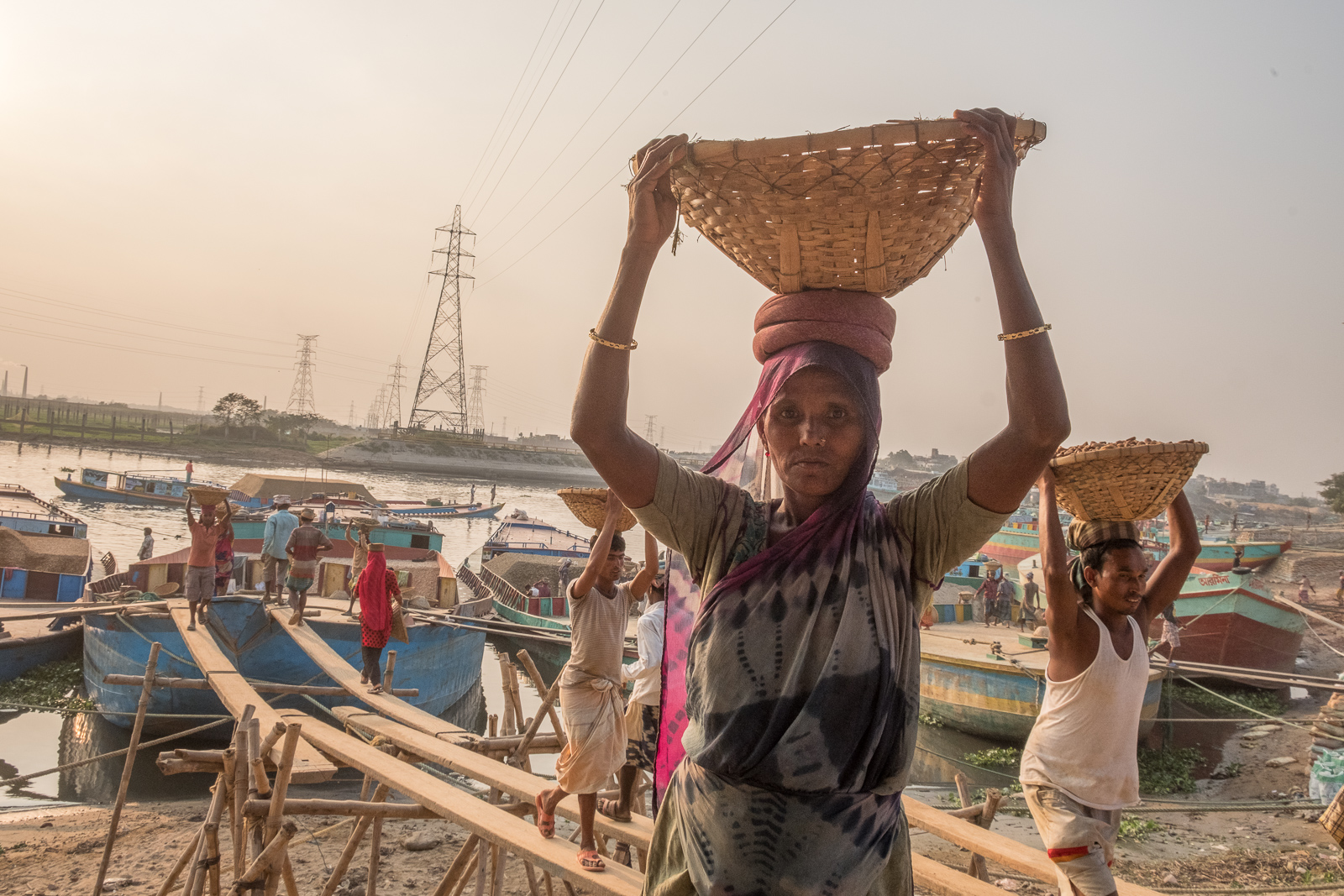
During my ten-day volunteer stay I visited Rohingya refugee camps, had the opportunity to see and photograph a relief and support project in the Manikganj floodplain, and also school projects in the slums of Dhaka helping local children with their education, plus their families with business and finding work.
What stories have you tried to capture with your lens? How will the photos and videos be used?
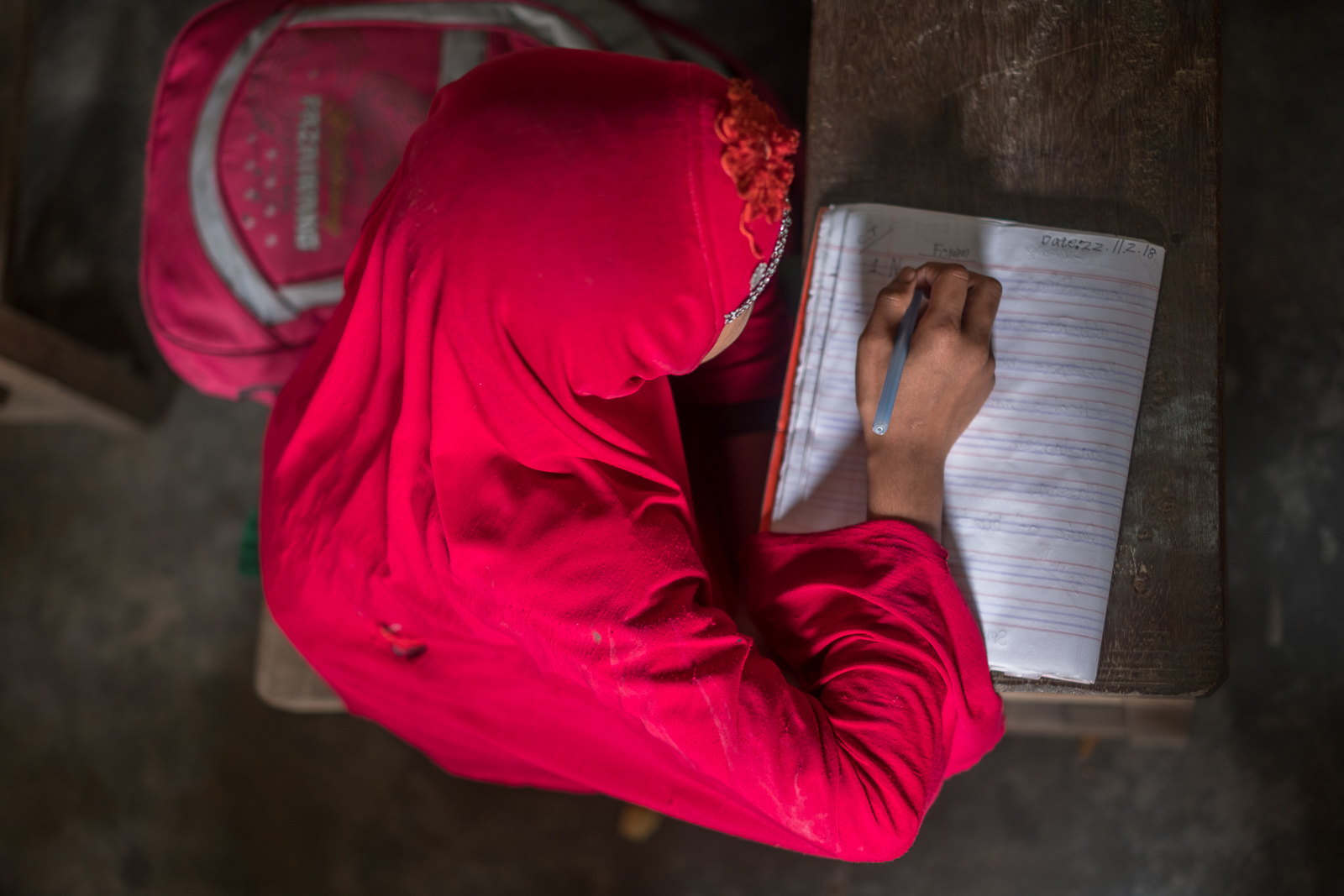
My aim was to capture people in their daily life routine. I focused on the different activities they do during their normal day. In the refugee camps in Cox's Bazaar, in turn, I looked for people who are more active and trying to organize themselves in the community and improve their situation through work. I was able to capture through my lens adult refugees who were making various products, and also children who were simply playing or just learning in the educational facilities. In Dhaka, I tried to seek out and capture the stories of people who are trying to break out of their poverty through their actions. The photos and videos would be used for fundraising purposes, i.e. to raise funds and campaign for ADRA Bangladesh. In fact, some projects are threatened with closure or reduction of activities due to lack of funds. The campaign should appear soon on ADRA's social media.
Which educational project impressed you the most (did you find it effective, efficient, sustainable)?
I have visited three school projects, all of which are supported from abroad - they depend on contributions from large donors. They are very well-functioning and worthwhile projects, but their continuation and sustainability is in the balance at the moment - precisely because a large amount of funding has been diverted and invested in solving or rehabilitating the refugee crisis. I recall an education project in the Manikganj flood area where, through agricultural education, local people learned how to grow their own fruit and vegetables; how to keep cattle and poultry, and also how to protect their homes from flooding. This project seemed to me to be the most sustainable and effective, with clear results.
How would you simply describe Dhaka to people who have never visited Asia?
I have visited India in the past, so Dhaka struck me as a typical big city somewhere in India - with endless crowds of people, cars, rickshaws. And constant traffic jams on the roads (as you can tell from the news on TV). But on the other hand, the part of Dhaka I was in seemed undeveloped. I saw a lot of roads that started with asphalt and after a few kilometers ended with dirt roads. I noticed a lot of buildings under construction and unfinished. It all struck me as a city in constant motion and development in different directions without a strategy, becoming more and more clogged with people and vehicles.
What are the problems that Bangladesh faces as a country?
I've already outlined this in a previous reply. The most common and most obvious problem was the seemingly endless congestion on the roads. Many locals also complained about the poverty and flooding that deprived them of fertile land, livelihoods and often a roof over their heads every year. Some people also mentioned the corruption they face.
What is the biggest challenge of slum life in Dhaka?
Probably lack of job opportunities. And then it's close behind: poor hygiene and lack of security. In fact, people in slums are often the victims of violent muggings, sometimes even rape. Problems with drinking water and the lack of sanitation are also major challenges. Many residents do not have access to running and safe water, plus there are too few toilets for the number of residents who use them. Without the provision of these things, there can be no question of a healthy and dignified life for the people there.
At the travel festival Along the Road Not Taken make your stay more familiar to your visitors. What will the core of the presentation consist of?
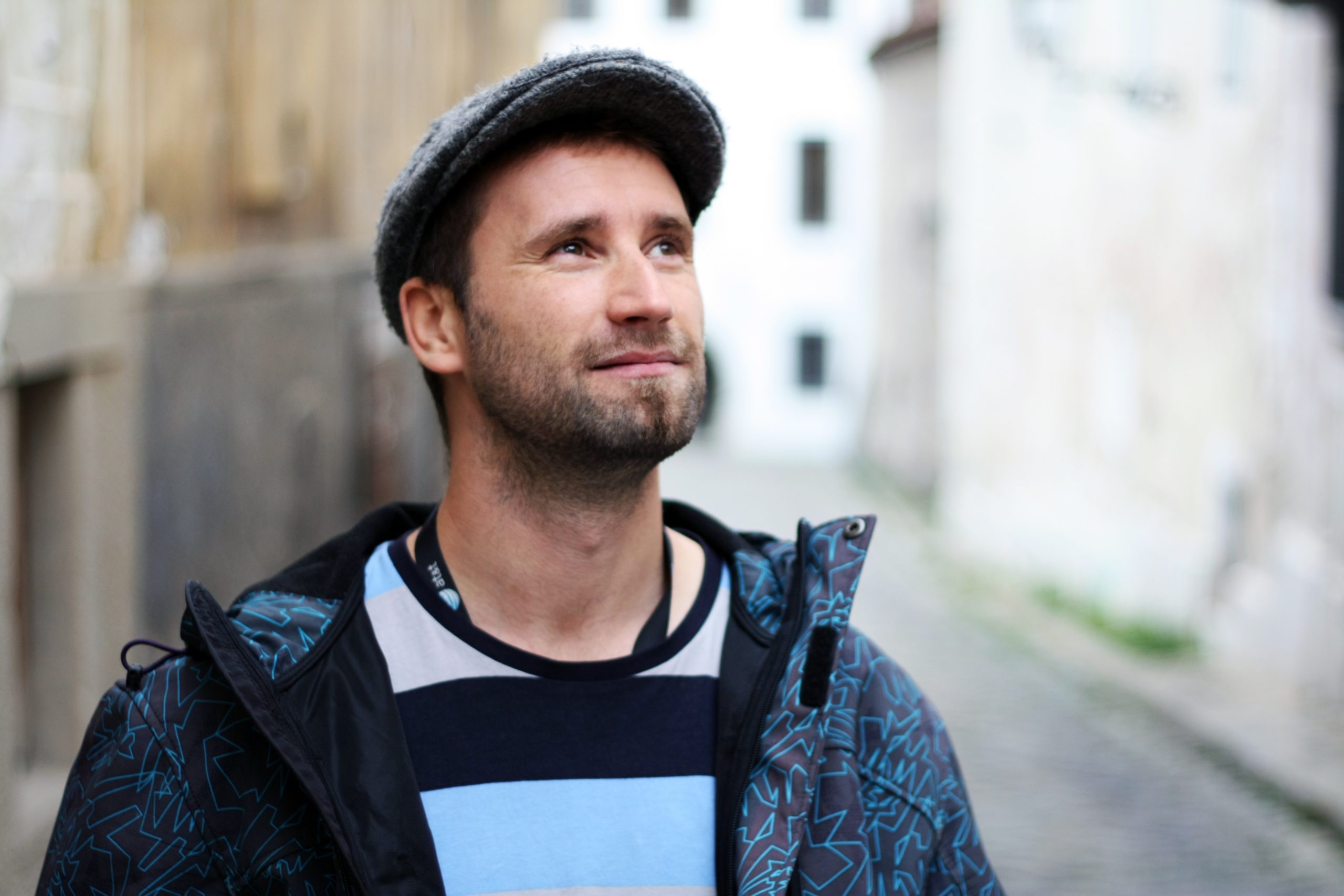
To those present I will tell stories of the people that ADRA Bangladesh helps and whose lives have been changed and are being changed because of this particular work of this organisation. I want to give a space to Bangladeshi men, women, children, so that through photos and short videos they can (at least in this mediated way) share with the people of SR how they live their days in an overpopulated low-income country and do not give up. Although they often operate in difficult conditions and are therefore grateful for the humanitarian aid and development cooperation provided so far thanks to the projects within the ADRA network. I want to show the resilience of many of the people of this country and their striving for a better future - not only for them today, but also for their children in the future.
Where would you go next to volunteer or take photos (and why)?
I would like to revisit Kenya and the friends I worked with during my previous visit there two years ago. However, I would like to visit anywhere where there is an opportunity to capture through the lens and then through pictures to tell the interesting stories of those who need a helping hand in a difficult situation, but have not abandoned the world around them. There are indeed still many such places. I am interested in the topic of modern slavery and human trafficking in Asia, and I would also like to visit refugee camps in Jordan, Iraq and Kenya. I'll see what the possibilities are and where my next trip will eventually take me...
Asked by Boba M. Baluchová, Photo: Maroš Matoušek
 EN
EN  SK
SK