




Our volunteer Kristina writes about her time in Serbia.
My name is Kristina and I spent seven months as a volunteer in Belgrade (partly in Novi Sad), where I helped with the activities of ADRA Serbia. This experience opened my eyes and left a deep impression on me. This is thanks to the people I met and the stories I heard. From the homeless, to those fleeing war, to children from various marginalized communities, each one brought me a new perspective and world view.
Serbia and the Ukrainians?
When I told someone before I left that I would also be helping people from Ukraine in Serbia, I was met with embarrassed reactions. For many, Serbia is a great ally of Russia and a sought-after European haven for many of its inhabitants. For this reason, people have asked, often rightly, how many people from Ukraine have come to Serbia since the start of the war and whether this is a relevant topic.
Serbia is not really the most sought-after destination for people from Ukraine. V compared with other countries, it is at the tail end of the European ranking, with an estimated 4 000 Ukrainians in Serbia. However, this does not change the fact that these people need support and help like everyone else. In the case of Serbia, it is therefore perhaps all the more necessary to devote space to this topic, precisely because many people do not even think of settling here, in a country often regarded as a Russian ally.
New landscape, new challenges
Forced to leave one's own country and settle in a new country brings many challenges. From learning a new language and adapting to a new culture to finding a job and school. Most of these were women who came alone or with children. While children integrated significantly faster, it was much more difficult for adults and especially the elderly. Many administrative barriers were a problem, as were feelings of loneliness, lack of resources and the difficulty of adapting to a new environment.
In this regard, ADRA Serbia is implementing a programme that targets the needs of this particular community. From material assistance, to psychosocial assistance, to the creation of a community that creates a safe space for socialization for all.
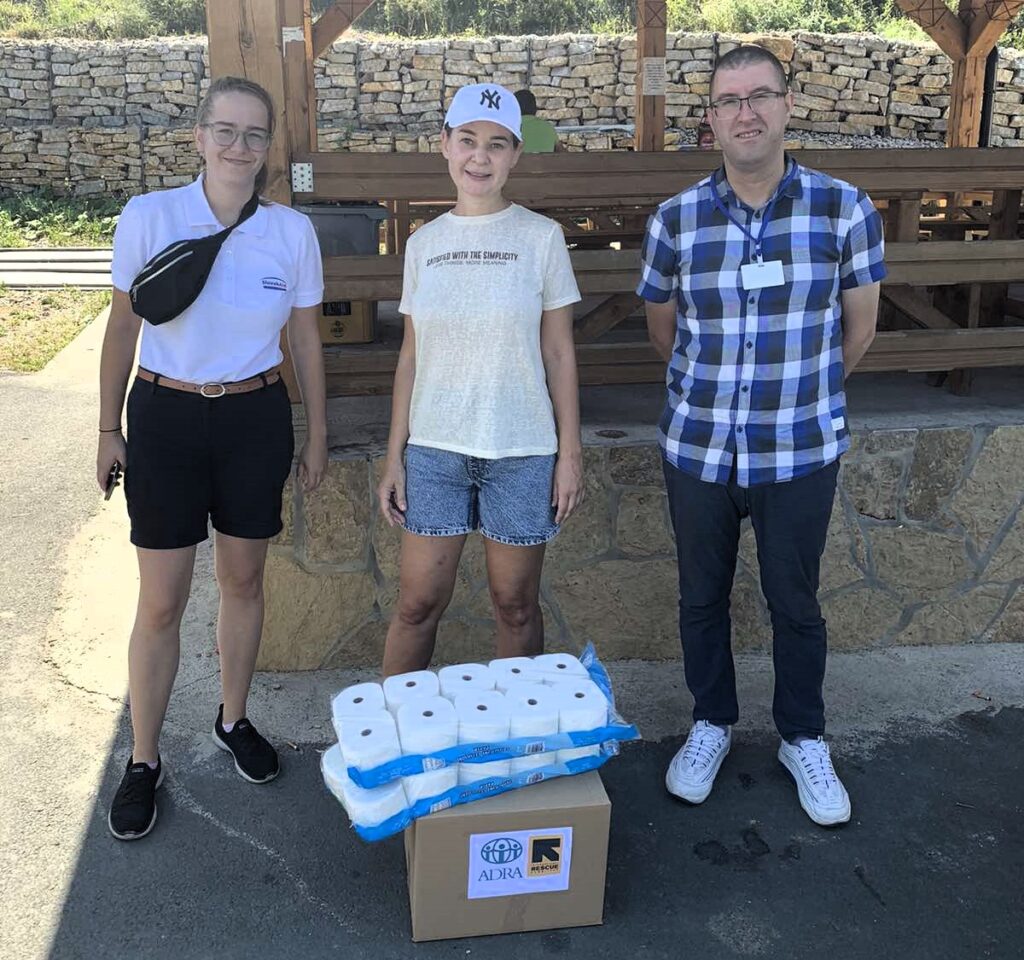
Material assistance consisted mainly of hygiene and food packages and clothing. Thanks to our great drivers we were able to distribute them all over Serbia. These trips were one of my favourites, especially because I had the opportunity to see first-hand where and how people fleeing the war live and live. While some already had relatives in Serbia, others lived in rented apartments or rooms. However, some were also living in asylum centres, which also housed people from other countries, including Russia. Most of them, however, settled in the outskirts of towns or villages, which represent more affordable housing. However, they are often isolated in terms of Serbia's transport infrastructure, especially if they do not have a car.
When we met them, we often saw despair but also gratitude for our help. Many wanted to invite us in or give us something in return.
Creative workshops and socialising
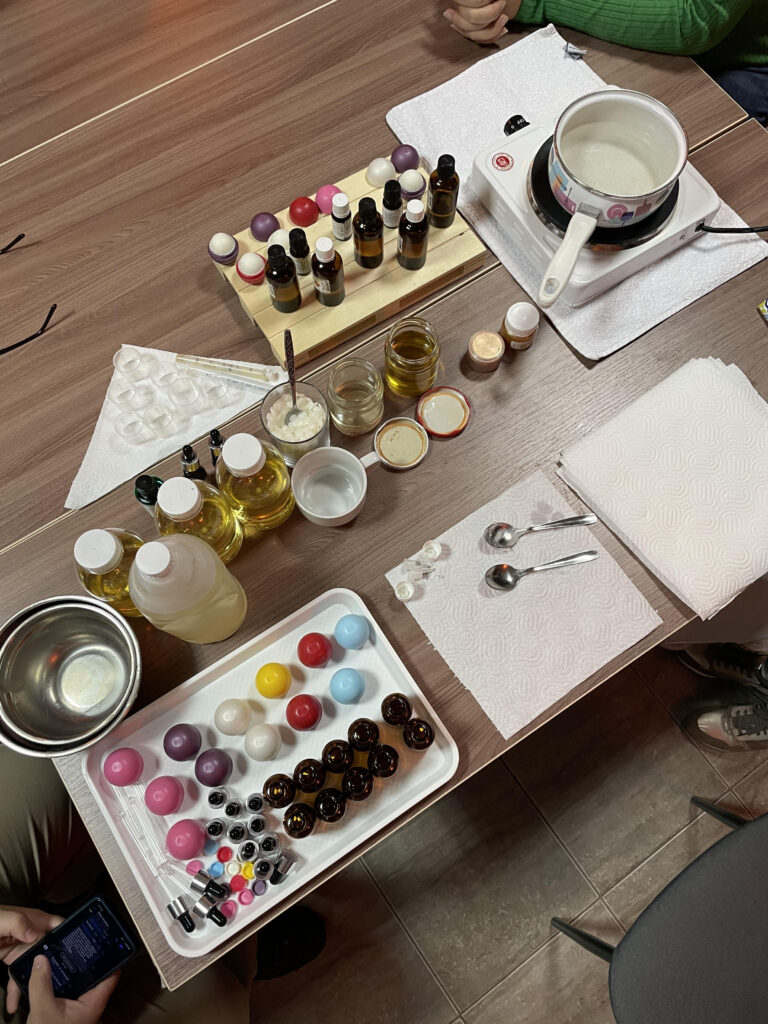
Our regular activities included creative and language workshops. Some might ask what benefit creative workshops can have in such a situation. Their main aim was to introduce people from Ukraine to alternative ways of earning an income, and to show them how to sell their products and works. For many, our workshops became a form of psycho-hygiene and an important way of social interaction.
Activities were carried out in the community centre in Belgrade, as well as in Kragujevac and Novi Sad. Thanks to the fact that our workshops and lectures often brought together the same people, it was possible to see how new friendships were formed, which helped to alleviate the effects of trauma, loss or feelings of loneliness.
An important moment was also the active involvement of the participants in the organization of activities and the reconstruction of our community center. They volunteered to participate in the reconstruction and construction of furniture, which we received thanks to the IKEA Serbia program, helping non-profit organizations. The Novi Sad community even initiated their own ideas for activities and topics they were concerned about and wanted to focus on.
Working with displaced people from Ukraine has allowed me to see the complexity of what these people are going through. When you say humanitarian aid and refugee assistance, many people think only of material aid in the form of food or clothing. It is true that this is an important part of the aid, and there is no doubt that these people need it. On the other hand, they need to be part of a safe community and to be able to share their feelings with others who have gone through a similar fate.
 EN
EN  SK
SK