




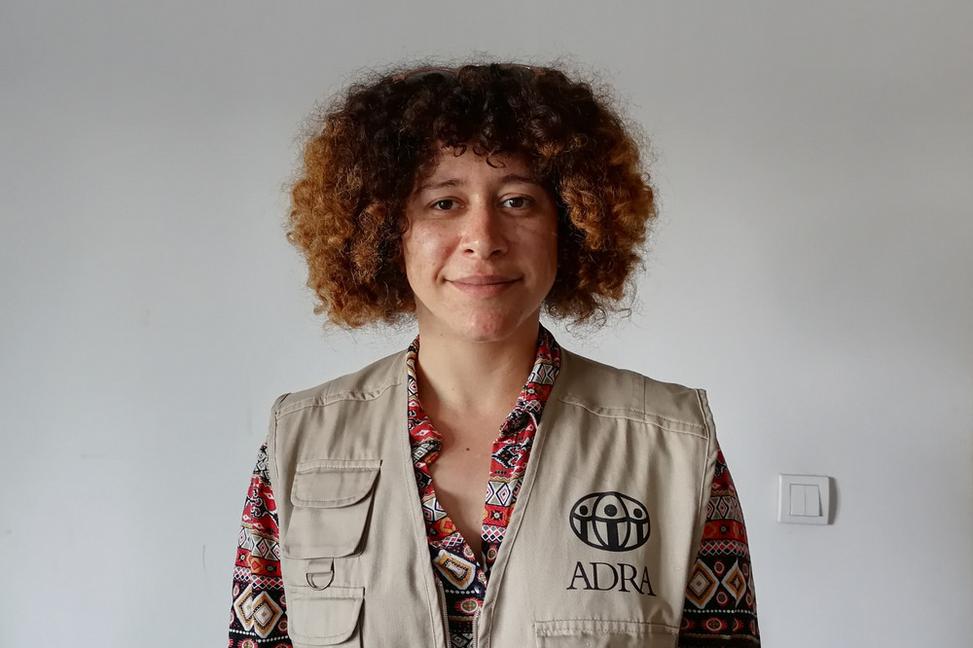
SlovakAid volunteer Dominique, who helped vulnerable groups in Belgrade, shares her impressions of her 6-month stay in Belgrade in her blog ADRA Serbia.
You can see the brochure about homeless people that Dominique has prepared here.
Half a year in Serbia passed like water and I have to admit that it was very difficult to go back to Slovakia. During my secondment I spent part of my time in the office and part of it supporting projects in the field. Our projects were focused on helping homeless people and Roma.
Drumodom, the most famous project of ADRA Serbia
As you may have read in the previous Article, ADRA Serbia has been implementing the Drumodom project for several years, helping homeless people. Here it provides them with health care, hygiene services -shower and laundry, psychosocial assistance and legal counselling. As the workplace is located on the street, the interest in its services is less during the winter months, and increases with the arrival of spring. This is when the interest in showers is greatest. Showers can be taken on the bus, which has been adapted for this purpose. However, you can imagine that few people want to take a hot shower and then return to the cold streets...
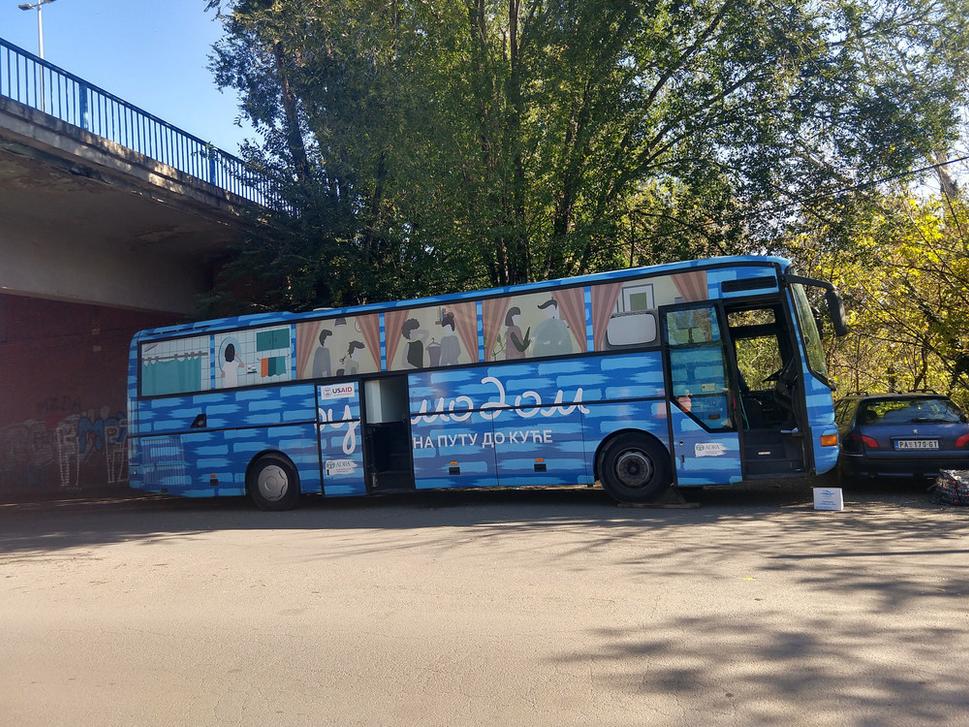 The aid bus stops under the Branka Bridge three times a week, between 9:00 and 13:00. Homeless people can get to the doctors through the front door and to the showers through the back door. (source: ADRA Serbia)
Who is actually considered homeless?
Usually, when we think of a homeless person, we think of someone sleeping on park benches, under a bridge or in other public spaces. Paradoxically, however, this group is only a small part. Homeless people also include those who, although they do not sleep on the streets, do not have permanent, regular and long-term access to shelter, or sleep in places that are not designed for that purpose. This group includes people who use shelters, transitional housing services, garden huts or abandoned buildings. Another group are people who have a home, but it does not meet the basic requirements of a residential facility. These include various self-built shacks without electricity or water connections. If we take this definition literally, the numbers would grow by many more families - the inhabitants of the settlements. In Serbia, as in other countries of the world, most people belonging to the last category are not considered homeless. However, it was only here that I first heard that the Roma are perceived not only as members of an excluded minority, but also as homeless people. You can read about the conditions of life in the settlements in my previous blog here.
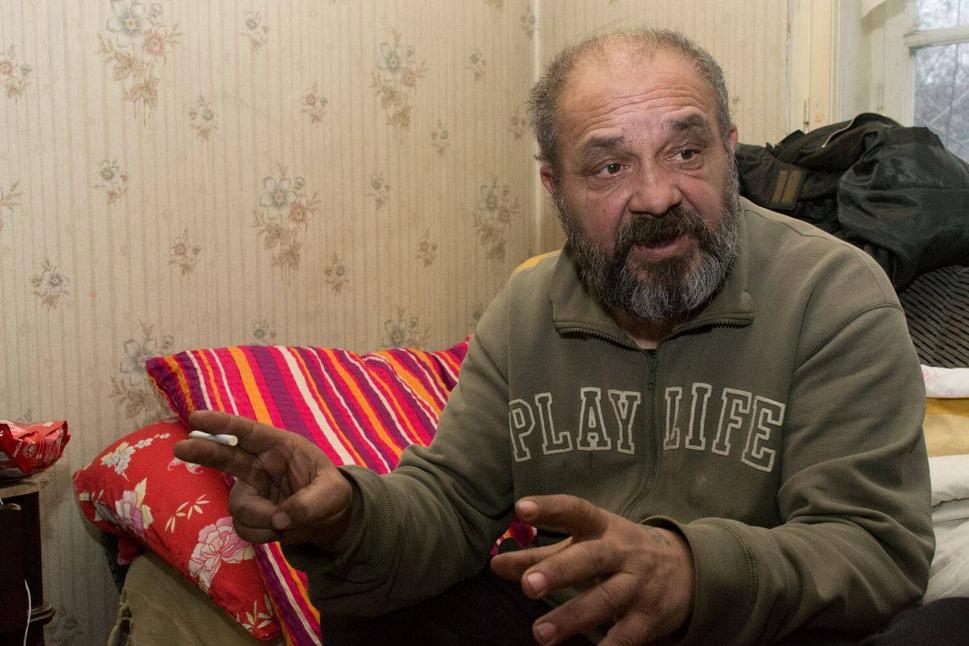 Mr. Sava, who also found help in the Drumodome. (source: ADRA Serbia)
Increase in homelessness not only in Serbia
In the last 10 years, the number of homeless people in Europe has increased by up to 70%. Based on the 2011 census, there should be approximately 20 000 homeless people living in Serbia. Most of them are located in Belgrade and other major cities. However, the estimate of organisations working with this target group is 15 000, only in Belgrade. I think it is clear after last year's census that a large number of such citizens were not included in the census. Many homeless people have no documents, are not registered at any address, and are therefore invisible to the state. This raises several problems.
Homelessness and human rights
States are bound to respect and contribute to the fulfilment of the rights of their citizens. Ensuring access to affordable and adequate housing is also a fundamental obligation of the State. The occurrence of homelessness in States that have the capacity to prevent it is a violation of these rights. The right to housing is directly related to other rights - the right to health, to live in dignity, and to life itself. Living on the streets has a major impact on an individual's health, but also on their access to healthcare. Its absence triggers a variety of chronic diseases, and often death. Especially in the winter months, the lives of these people are in constant danger.
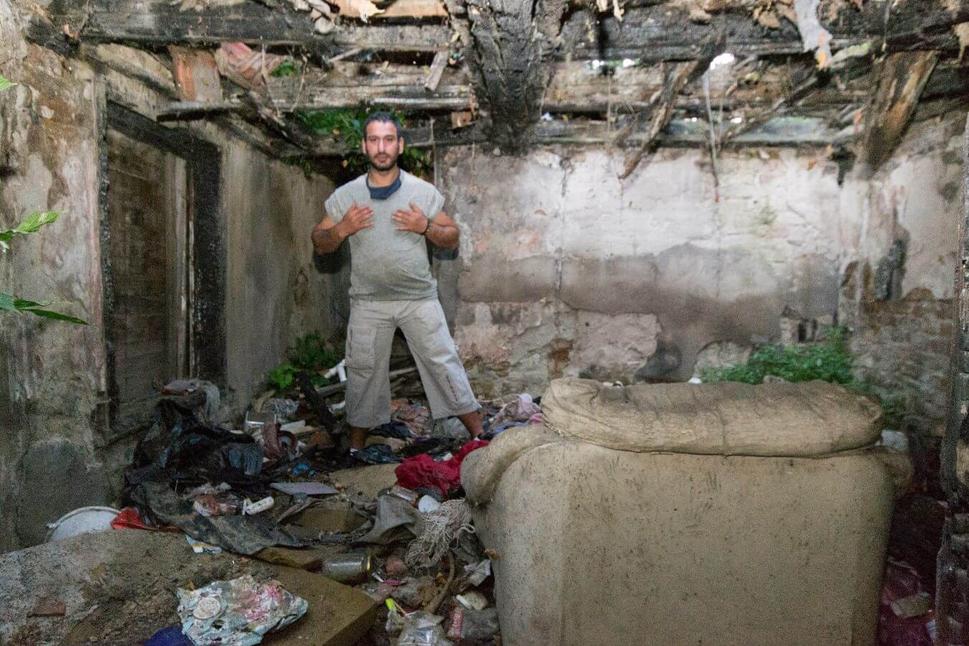 Mehmed withBut he wanted to help those who were in an even worse situation than himself. (source: ADRA Serbia)
In addition, homeless people are often discriminated against on the basis of their lack of address, thus depriving them of other rights such as participation in elections, the right to work and to social benefits. In Serbia, the process of handling documents and registering an ‚address‘ is hampered by the biased approach of officials who usually reject applications. Subsequently, an appeal has to be prepared, which is usually already approved at a higher level. This whole process takes about half a year. In my opinion, this approach has exactly the opposite effect - it discourages homeless people.
It should also be the responsibility of the state not to contribute to an increase in the homeless population. Laws protecting the right to housing have long been inadequate, and large numbers of people have faced eviction as a result. This was regardless of whether they had somewhere to go or not. The high cost of rent and utilities often left low-income people in debt, which is also why they were living in evictions until the law changed in 2020. The government changed the law under pressure from activists, and only those with a debt of €5,000 or more can now be evicted.
Personally, I can't imagine how ordinary people manage to get by here. Rents and energy prices are rising, but salaries are not. A friend of mine who works at the airport earns €400 a month, but only €200 of that goes on rent, plus she has to pay her utility bills. This leaves her with a maximum of €150 a month to live on. Around 31% Serbs live on the edge of poverty, and this sharp rise in property prices that they have experienced in recent years leaves many people in very precarious conditions.
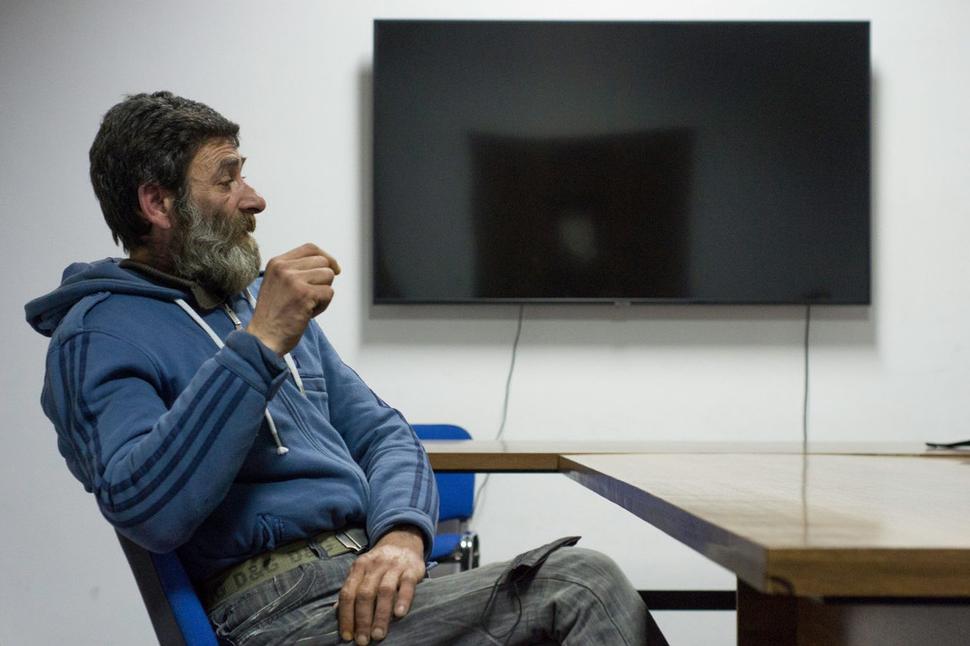 ADRA Serbia has been helping homeless people for many years. (source: ADRA Serbia)
The right to housing should also be taken into account in deportations. Many people from Serbia and other low-income countries are going abroad in search of a better life. From there, however, they are often deported, regardless of whether or not they have a background in their own country. However, in the case of non-citizens, the situation can become very complicated and the person may end up in a country where he or she has never been before. And all this only „thanks“ to the fact that his parents were born there.
The story of Rocky, a stateless man without rights
Rocky was born in 1992 in an informal refugee camp in Italy. However, he grew up in Germany, where he also started a family. Since coming of age, however, he has been repeatedly deported to Serbia. The story of Rocky Rakić, a stateless person, is a prime example of the authorities' callousness and the conditionality of human rights. Rocky's mother is from Serbia but lives in Italy in conditions of extreme poverty. She gave birth to Rocky in an informal settlement but did not register him with the Italian authorities. After a few years, Rocky's family applied for asylum in Germany, where Rocky grew up and also fathered a son. However, when he came of age, problems with the authorities began. Since he was born in Italy, he should be entitled to Italian citizenship. However, he grew up in Germany, where he had a son with German citizenship, so he should be allowed to get German citizenship as well. However, as he was not registered at birth and therefore had no documents, he was deported to his mother's country of birth, Serbia.
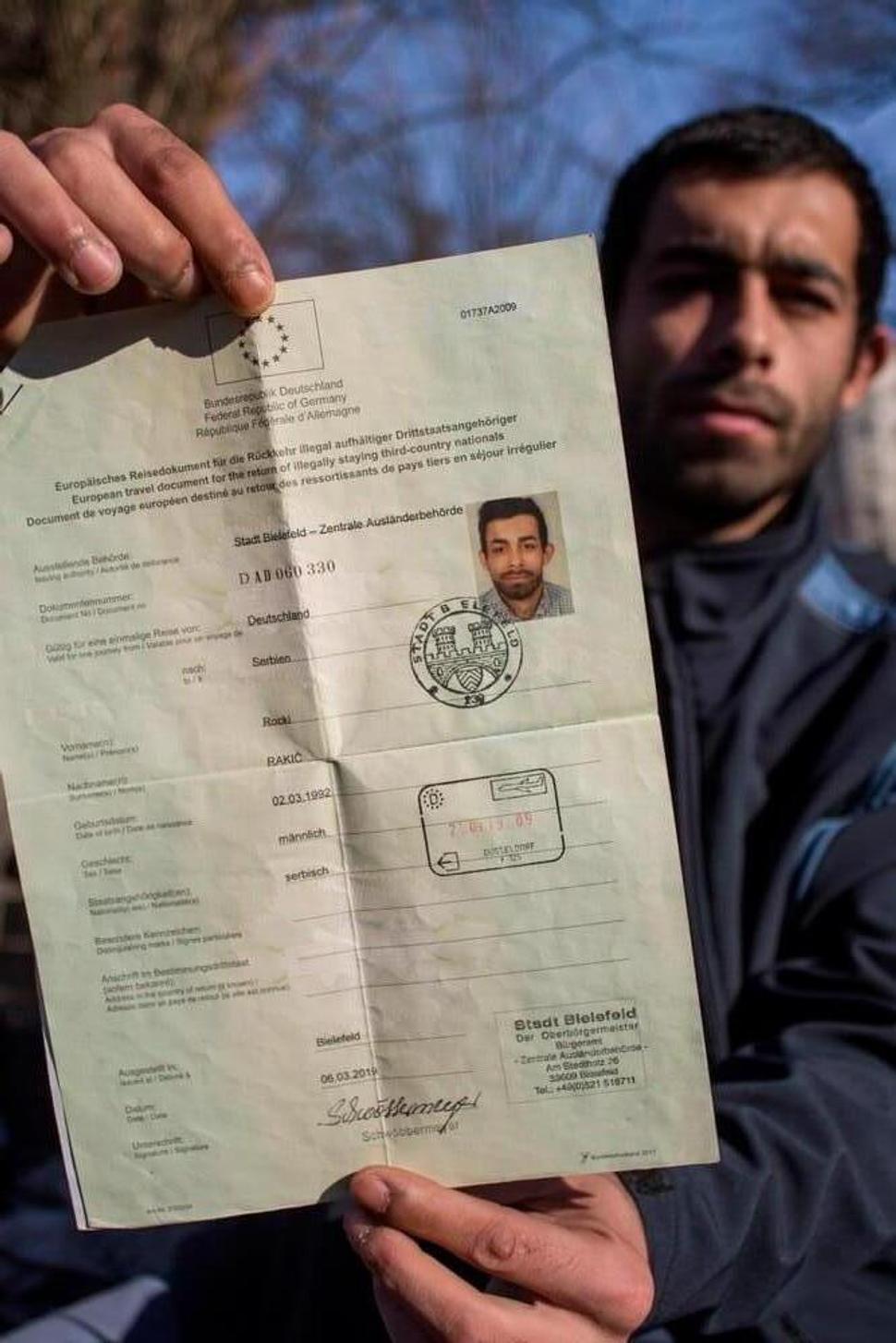
Rocky had never visited Serbia before, he didn't know the language, he had no background and no place to live. Without documents, he could not get a job, find accommodation, get medical care, and most importantly, return to his son. By the time he came into the crosshairs of ADRA Serbia, he had been deported three times. It took years of legal struggle before Rocky obtained his papers and became a person in the eyes of the law. In the meantime, his son spent almost 10 years without his father.
What makes a person human?
Working with target groups, such as homeless people or Roma, is very challenging. Through their experiences, one becomes aware of the inhumanity of the system in which we live. A system in which human life has no value, and people are only seen as human when they are shown documents and fill in the forms correctly. It is only through the stories of people in need that one can realise one's own worthlessness in the eyes of the bureaucracy that runs our lives. With the current rate of increase in property prices, something similar can happen to anyone. Homelessness is a manifestation that something is not working in our society.
-
Author Dominique Michele Burchel, SlovakAid volunteer in Serbia
The views expressed in this article belong to the author and do not necessarily reflect the position of ADRA Slovakia or ADRA Serbia.


 EN
EN  SK
SK