




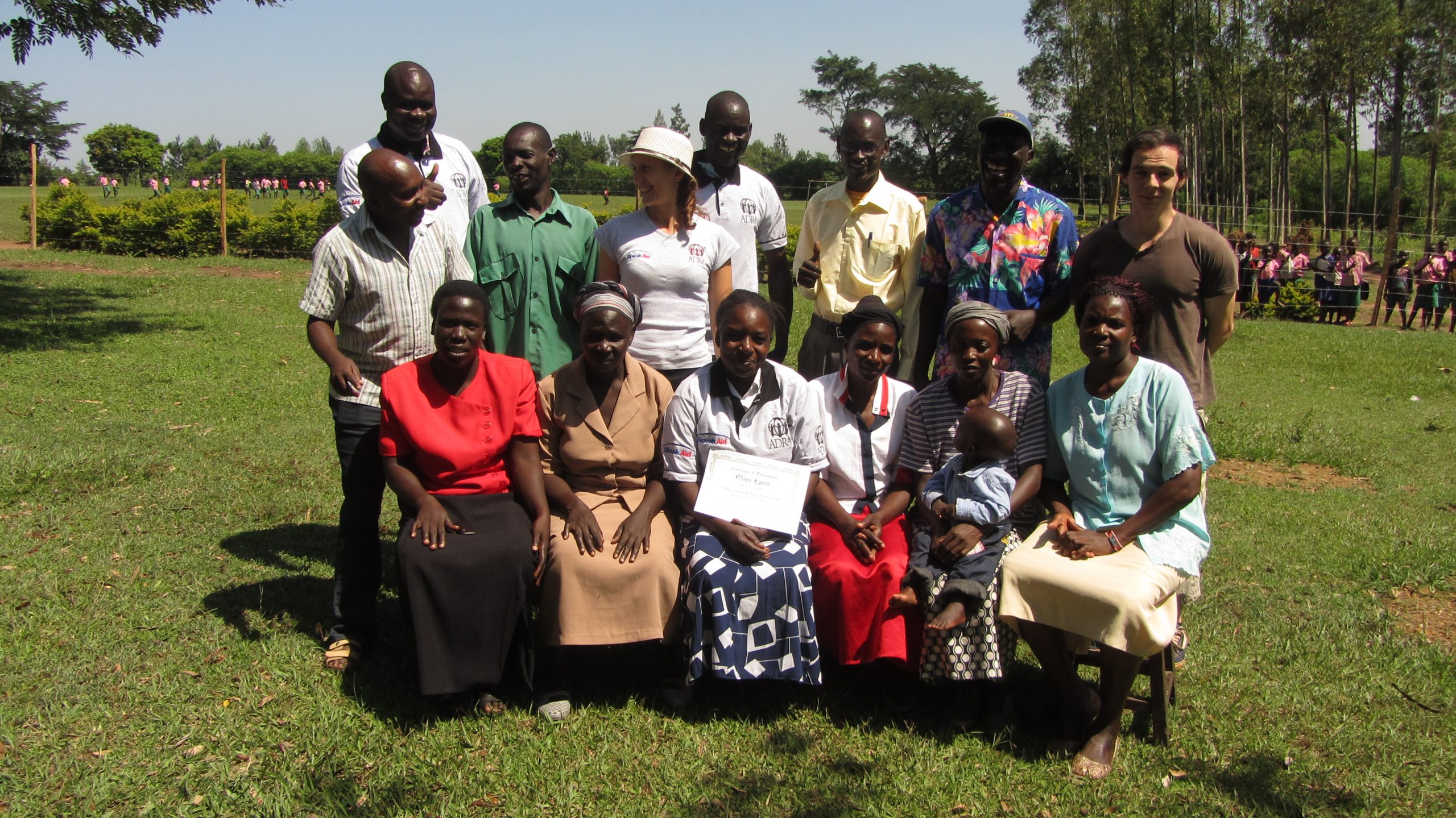
Samuel Čellár was awarded „SlovakAid Volunteer of the Year 2016“. He deserved this recognition for his work on ADRA Slovakia's sesame project in Kenya. Thanks to the project, 522 poor farming families in Busia have already had the chance to grow quality organic and fairtrade sesame and sell it at a fair price. From the profits of the sale, the local farmers can send their children to school and remain self-sufficient in their country. More coming up in our interview with Sam.
Why did you become a volunteer?
Because I wanted to combine the useful with the interesting. This idea started to form in my head after I finished college. I wanted to do something that would benefit others and see a little bit of the world at the same time. Maybe understand a little better how things really work on this planet of ours.
Did you succeed?
Reading about how people in developing countries live and seeing it with your own eyes are two different things. Even a holiday is not enough, you need to actually live there for a while and be in contact with the local population. So I'm glad I volunteered for this.
Why did you choose ADRA Slovakia and Kenya as your destination country?
There was no special reason. It was simply one of the first organizations that came up in my Google search. But the fact that I didn't have to search for other organizations certainly contributed to the brisk response I received from ADRA to my request. And why Kenya? It wasn't so much the country that mattered to me, it was more about this: going somewhere as a volunteer. But I was definitely more attracted to more distant countries, just out of curiosity.
What were you responsible for in Kenya? What was your job description?
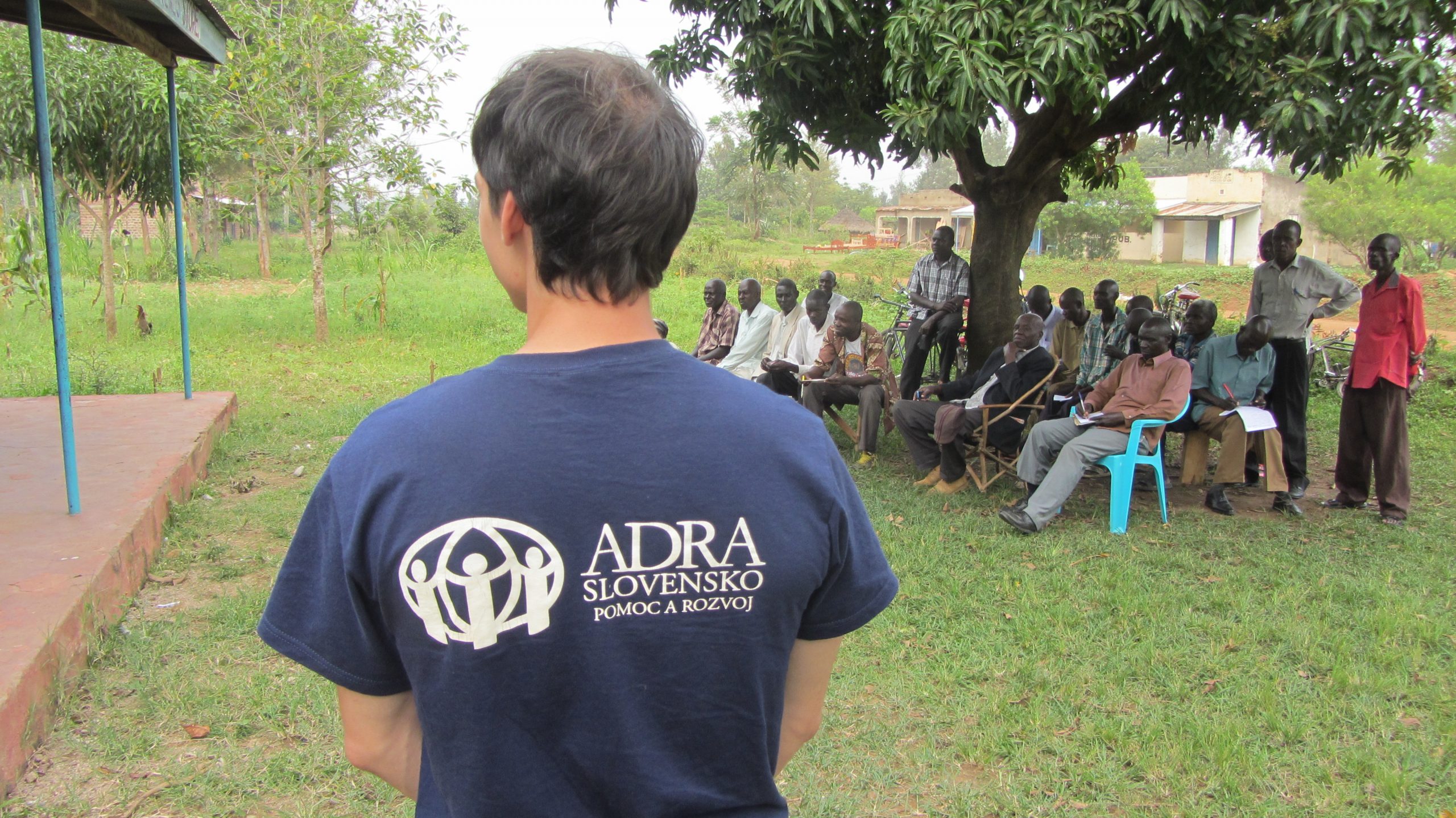
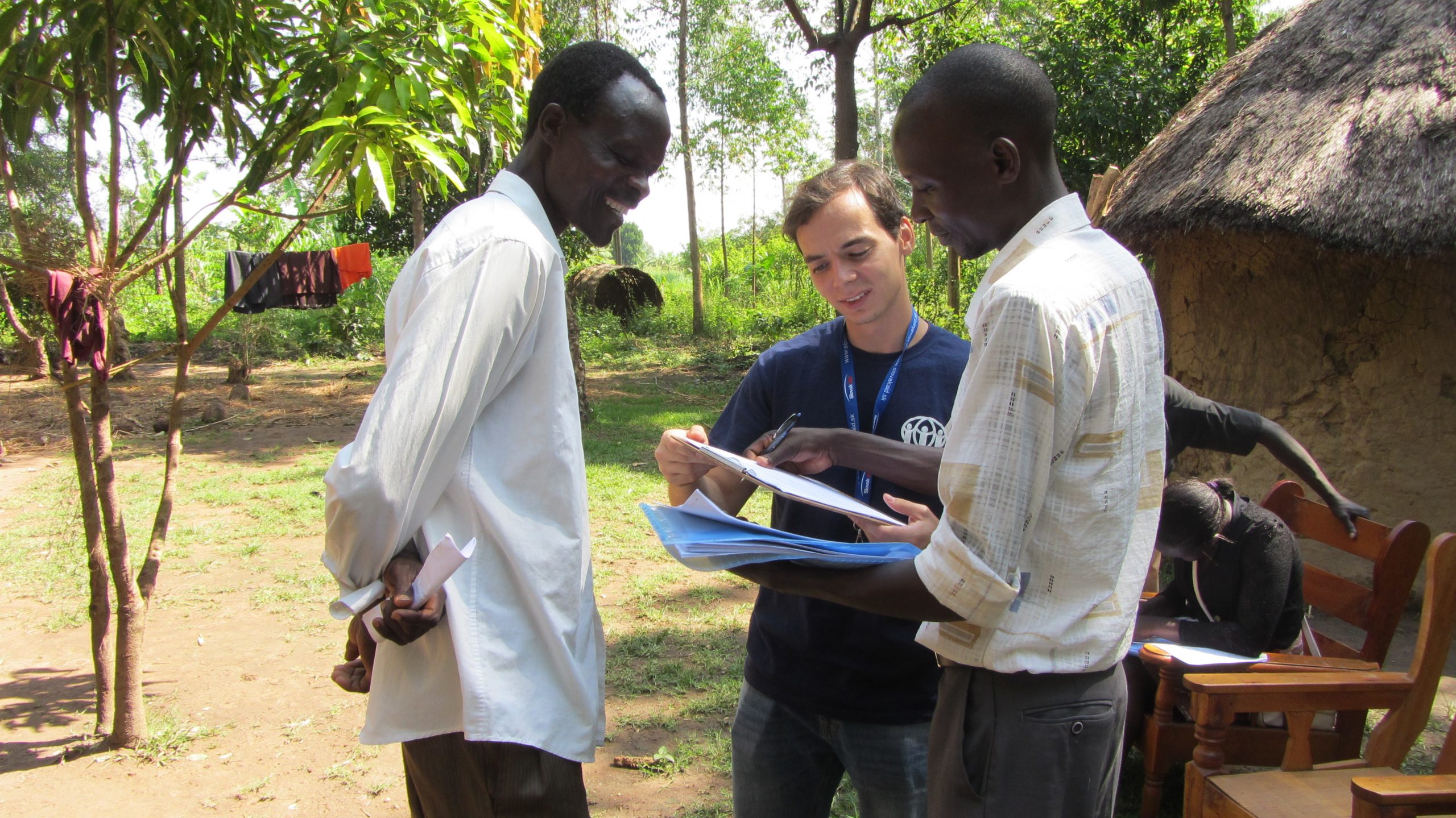
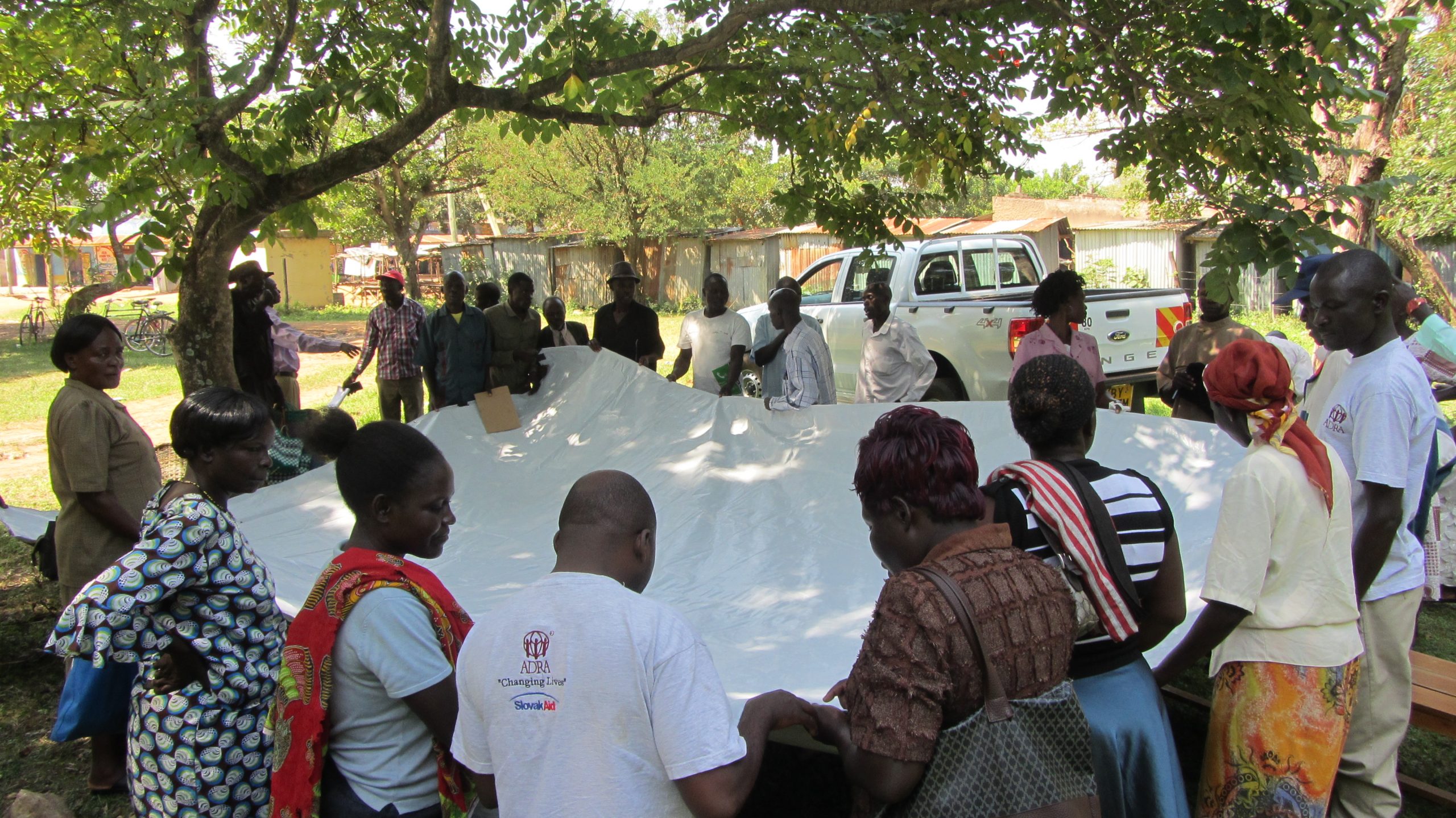
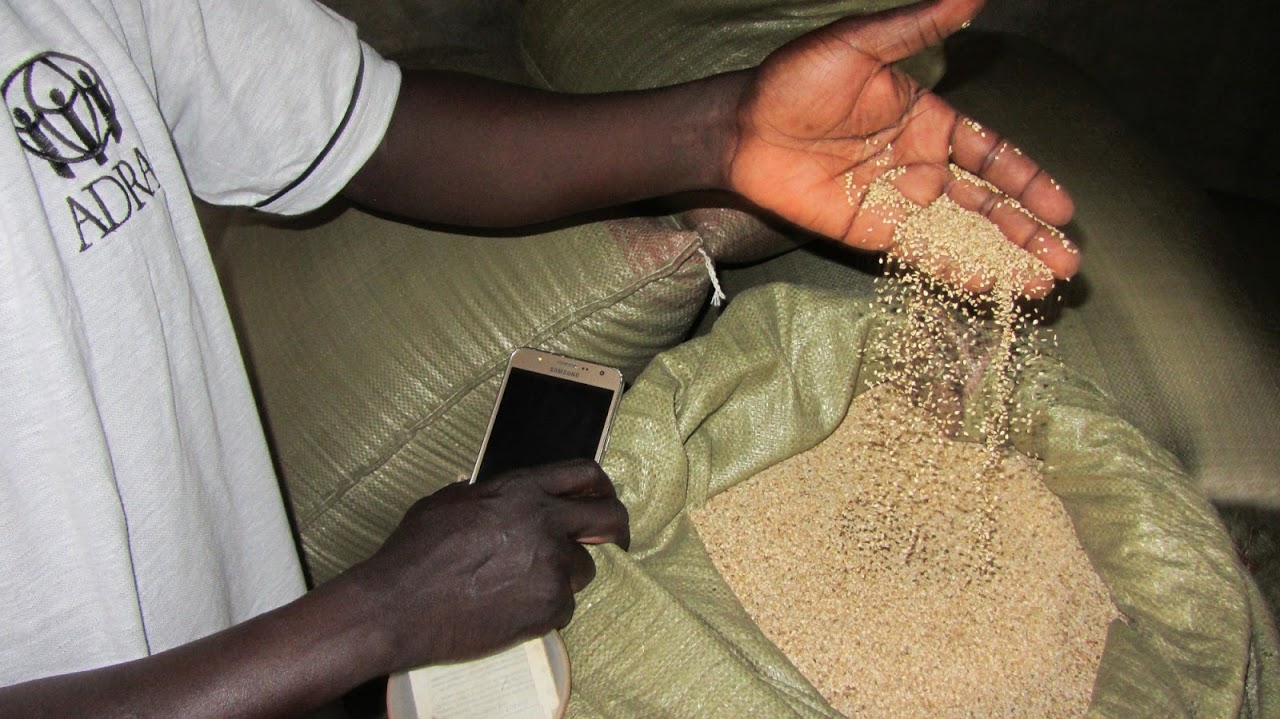
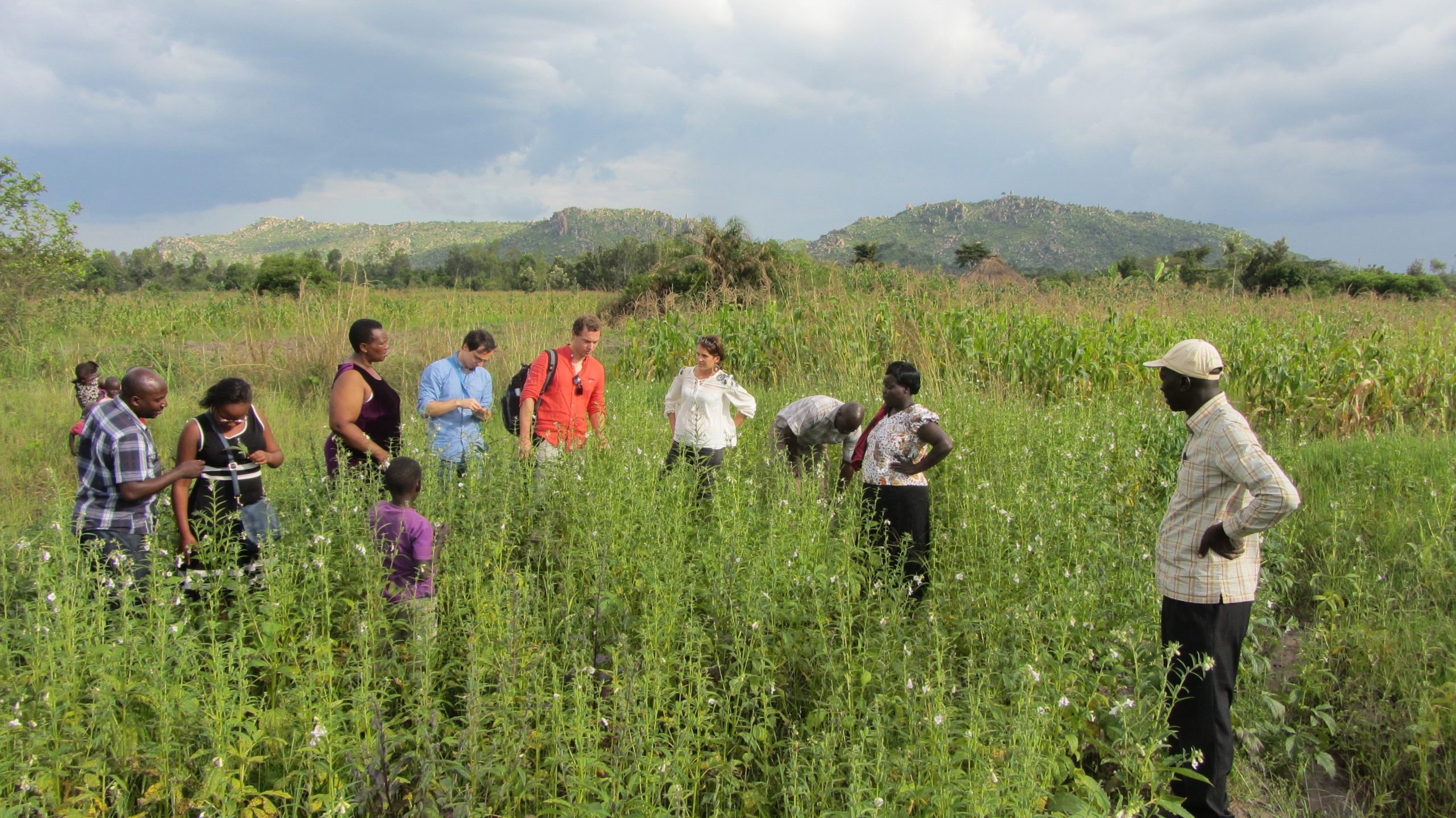
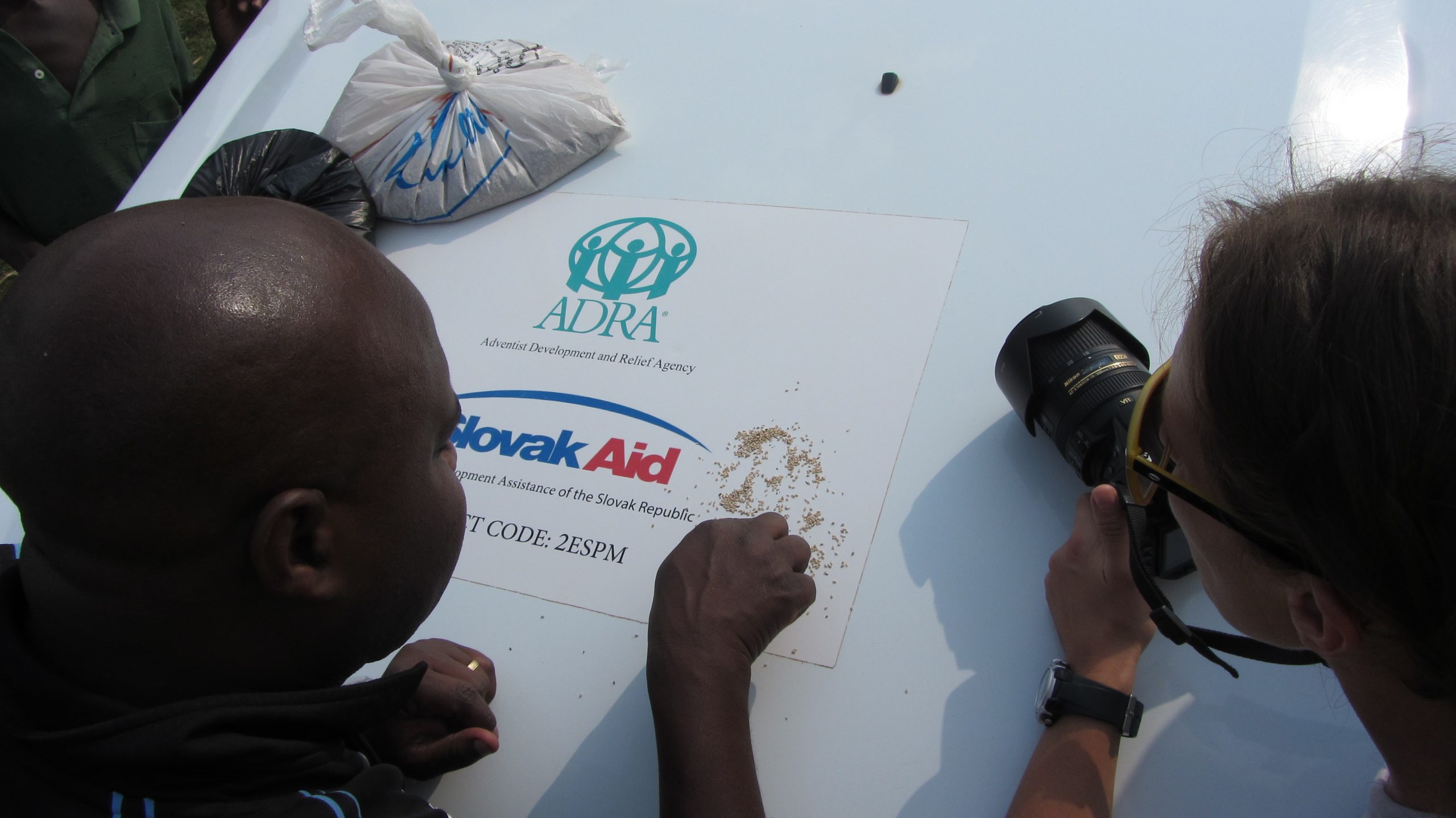
In Kenya, I helped to launch ADRA's „sesame project“, which aimed to help 500 farmers in the Busia region improve their social conditions by growing and selling sesame. In a nutshell, the farmers were united into a farmer cooperative, received training, were provided with FairTrade and Organic certification, and were given a market where they could always sell their produce. I was in charge of administration, communication with the regional government, running our field office, photo and video documentation, but also PR stuff - ensuring the visibility of the project - in the field in Kenya, but also in Slovakia, for example through various posts and articles. But the work of our whole team often depended on the specific situation. In short: we did what we had to do - sometimes it's working behind a computer, other times it's lugging 50-kilo bags of sesame.
What is your view on development aid or cooperation? Does it make a difference?
There are many projects that cease to exist a few months after the organisation that implemented them has left. Because they are not well thought out and there is no emphasis on sustainability. Even if you talk to locals in Kenya, you will find that a certain proportion of them are sceptical about development cooperation. But this is not always the case. If a project is written and implemented in such a way that when the foreign organisation leaves, the locals are prepared to continue to manage and develop the project on their own, it makes sense. However, before the project is set up, the whole thing needs to be really carefully thought through and you need to find out what the real problems of these and those people are. The locals have to see the project as meaningful, they have to be motivated by it.
So what is the success or failure of such a project and its sustainability?
Success depends as much on the implementing NGO as it does on the local population. This needs to be made clear to them that they cannot expect to just get something for free and go home. Development cooperation is also about trying to help change the mindset of those people so that they can work more efficiently and thrive more in their lives.
Development projects are often hampered by corruption, which is also extremely high in Kenya, which is often demotivating for the whole project team. Without corruption, these countries would not need the current volumes of development or humanitarian aid. However, in Slovakia, we also know that the fight against corruption is a long distance race.
What good and bad things did you experience during your stay?
One experiences many things in a year - both the good and the bad. Kenya is beautiful, but often very dangerous, and the threat is first and foremost to the people, as poverty is always closely linked to crime. But just follow certain precautions, like not going out on the streets after sunset, not walking around with expensive things, and you're fine. But in no way do I want to intimidate anyone. Kenyans are very nice and friendly and I have met a lot of good-hearted people in that country. And it seems to me that people there are more smiling than here in Europe.
What did you learn in this East African country?
I've learned to be more patient, since in that country almost no one is really in a hurry. And, of course, it's much clearer to me now what it's like in a developing country like that - I have a better understanding of the problems that the locals face there, and there are a lot of them. Slovakia still has room for improvement, but compared to Kenya, we are doing very well at home.
What surprised or surprised you the most there?
One of the first things that struck me in Kenya was probably the prices: Kenya is surprisingly expensive, and not only its capital. A lot of prices, be it food, furniture or technology, equal or even exceed the Slovak ones. And if you consider that, for example, an SBS-cop there receives 70 US dollars a month, and for that money he has to support himself, his wife and 5 children, it is not very cheerful. And he may be lucky to have a job at all, as unemployment in some regions of Kenya exceeds even 60 %.
Did you manage to travel through this equatorial country?
Since my contract also gave me some days off, I had the opportunity to travel around Kenya a bit. For example, I visited the beaches of the Indian Ocean, the rainforest, tea plantations, Lake Victoria and, towards the end, I went on safari. But that's just a fraction of what the country has to offer. You could easily travel there for half a year and there would still be so much to discover.
Current we are looking for other volunteers. As a former and successful volunteer, what would you say to potential applicants?
Going to a developing country as a volunteer is a big test for anyone who commits to it. But don't be afraid - you'll meet lots of new people and not only will you do something useful and get to know a foreign culture, but you'll definitely get to know yourself better too.
I would recommend volunteering first and foremost to people who are genuinely interested in doing their bit to make a positive difference in the world. Then let them first think honestly about what reasons are driving them to do so. It may be an adventure, but it is not a holiday.
Would you go on a „mission“ as a volunteer again?
Maybe so, but not right away. I'd definitely like to visit Latin America and Asia at some point. To be more specific, maybe Nepal. But I suppose I will spend some time at home now and the future will tell where my steps will take me...
Text and photo: ADRA team
Remark: If you are interested in volunteering, keep an eye on our current offers. You can support our work online here.
Sam's blog - Volunteer's notes You may reading online. You can read more about the specific SlovakAid Volunteer of the Year 2016 award in the articles here a here.
 EN
EN  SK
SK