



She pursued her goal (to work in the development sector) purposefully - through participation in a volunteer placement thanks to the offer ADRA Slovakia. And the decision on Albania as a country of operation was made only at the last minute. She spent twelve months implementing projects that give local children from excluded communities an education and therefore a better chance in life. Development volunteer - Veronika Zimova - will share more of her experiences from her stay in Albania.
Why did you decide to volunteer abroad for development?
I have always longed and aspire to work in the field of humanitarian and development cooperation, and volunteering is the right intermediate step between university and field work in the so-called developing world. I was studying international relations and I already had some experience of volunteering, so I wasn't afraid of volunteering in a lower-income country.
What convinced you to stay in Albania?
A year ago ADRA Slovakia offered volunteer positions in Albania and the Philippines. I immediately signed up. When I was asked at the interview where I would prefer to go, I said that it didn't matter, it was all about the experience. I left it up to fate, or rather to the management of ADRA Slovakia, to choose where I would fit their profile better. In the end I went to Albania. When people ask me - „Why Albania?“ - I answer that Albania actually chose me, not me him.
How did you get along with the local people at the beginning of your stay?
As Albanian is a rather difficult language, I was dependent on English and the so-called hand-foot-talk. Fortunately, English language classes are compulsory in schools, so even children from underprivileged families have the opportunity to progress in the language. In addition, television helps greatly in the acquisition of foreign languages. In Albania, you won't hear any dubbing; programmes are broadcast in their original version with Albanian subtitles.
How did you find working with children in an excluded community?
As I am neither a teacher nor a psychologist, I am not qualified to work directly with local children. You could say that I work for the community rather than with the community. I take care of the administration and implementation of activities from the projects. However, this does not mean that I do not go into the field.
What are you responsible for in ADRA Albania?
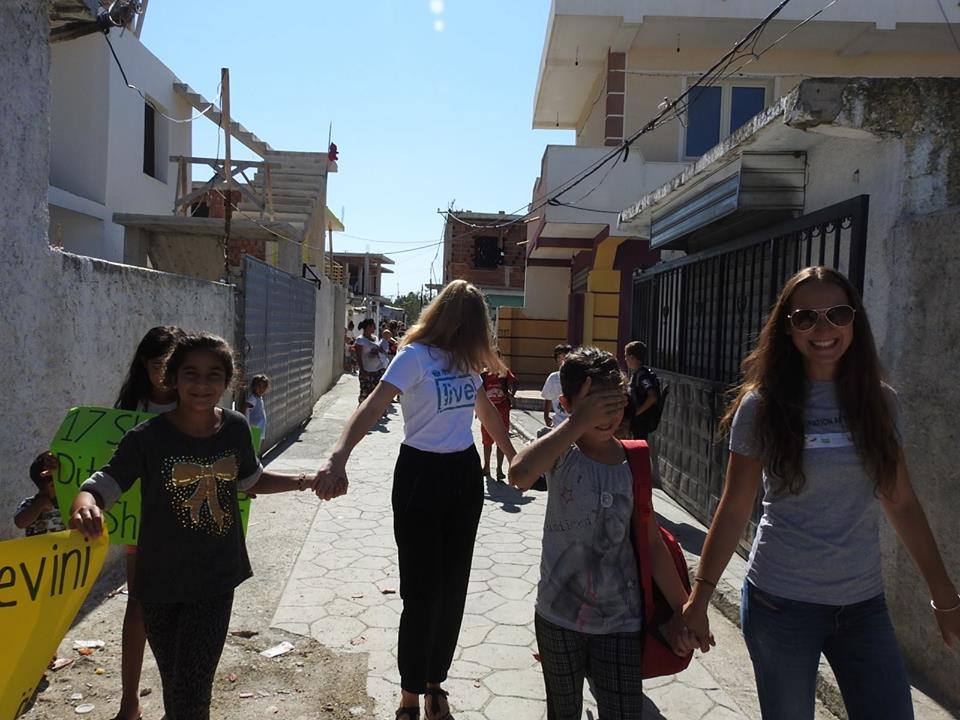
My work in ADRA Albania is mainly clerical, it is about managing projects, promoting them and preparing new applications for support to ensure continuity of our work with the community. However, from behind an office desk I would struggle to capture the reality that is crucial in this work. That's why I also go out with my colleagues to see the children directly. I was always happy to join our team at the end of a tutoring session, when the group and I were just playing, singing or folding paper animals. The leisure activities are run by volunteers from ADRA Germany, so the local children are used to the presence of foreigners. Their relationship with the teachers, teachers, animators and animators is more open and contactable.
What is the challenge of working with Roma children?
It's not about me. The main challenge for the local kids is their parents.
What is the security situation in Albania?
Whether in the capital Tirana or on the roads across Albania, I never once felt threatened by anyone or anything. I see the fact that Albania is a dangerous country as more of a sad stereotype. I saw it immediately in the reaction of the people around me when I told them that I was moving to Albania for a year. Those who had no previous experience of Albania were scared. Those who had already been to Albania wished me well with a smile. Plus they added that I will definitely fall in love with this amazing country. That is what happened in the end.
What are some of the projects that ADRA Albania is involved in?
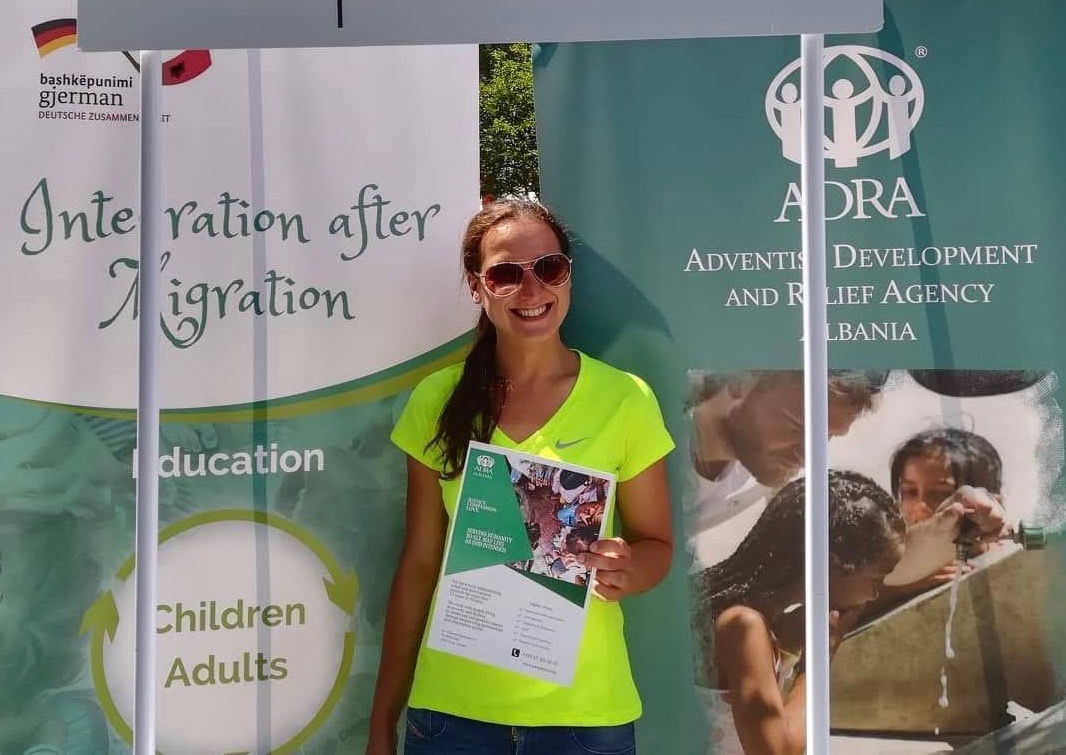
ADRA Albania implements a number of projects whose common denominator is tutoring sessions for children with learning disabilities, especially from socially disadvantaged families. Tutoring takes place in partner schools, but also in a community centre near the Roma settlement in Fushe-Kruje. We have recently completed an important project ‚Integration after Migration‘, concerning people who have returned with their families from Germany back to Albania. The projects intertwine and complement each other - in order to cover the issue of education for people from excluded groups as widely as possible.
You don't only work with children, but also with adults. Why?
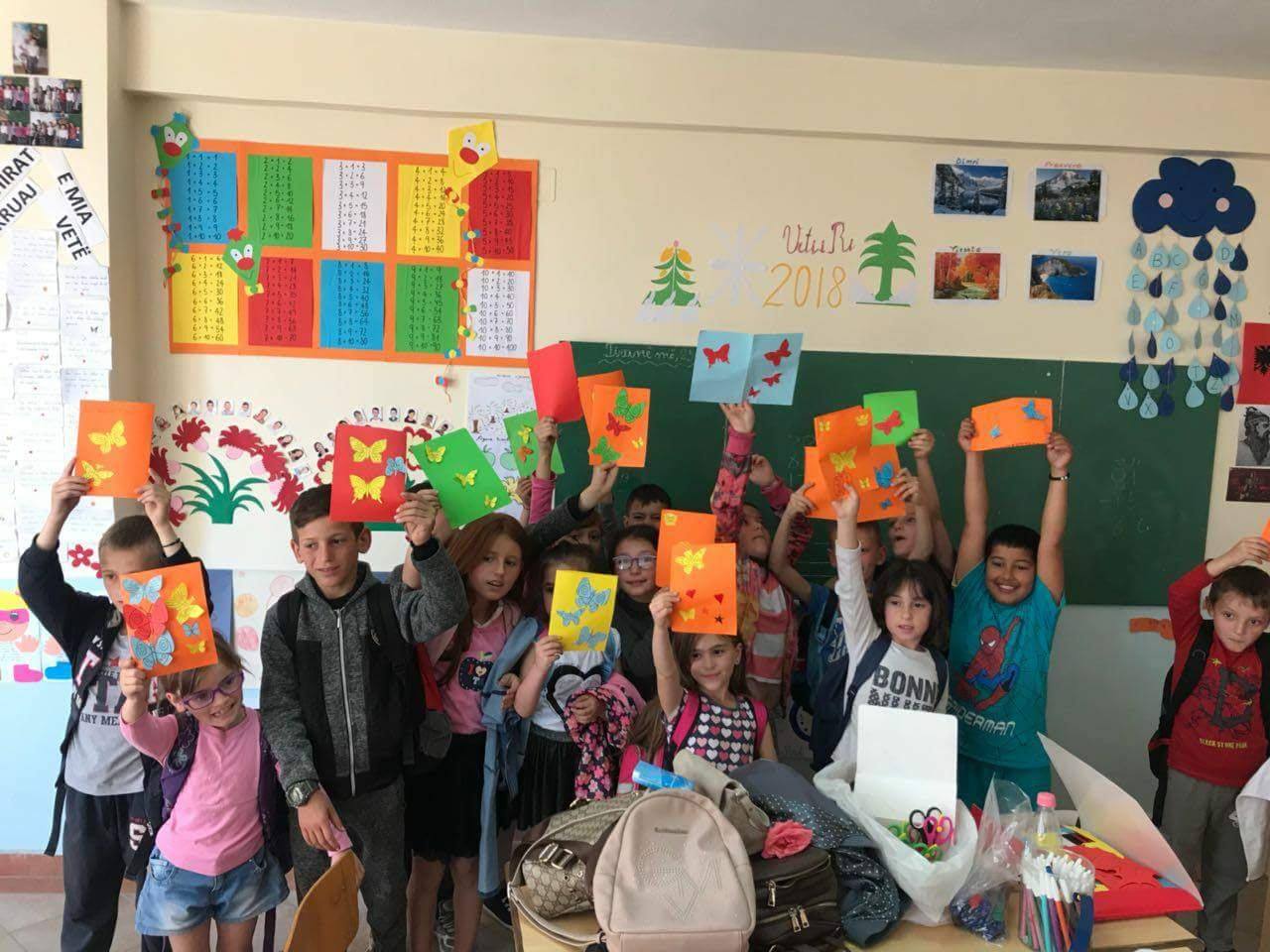
For children to complete their schooling, supplementary education alone is not enough. That is why ADRA Albania also works with parents, especially in the field of education, prevention and positive education. In the case of Roma, whose culture often does not sufficiently emphasize the need for education, the problem is the low number of children enrolled in schools, irregular attendance and neglected upbringing, up to and including various forms of abuse. This is also why we work closely with social workers and teachers - both in practice and in building their capacity in education, human rights, child protection, etc.
Is reintegration even possible in this case?
Since most of the so-called ‚returnees‘ consist of failed asylum seekers of Roma origin, the question is rather whether and how the integration of Roma into the majority society is possible, why they leave their homeland. But that is already a difficult question to discuss, which I dare not go into.
What is the point of such projects?
Social change for the better does not happen overnight, but step by step. We always try to involve the relevant public authorities as much as possible, as well as the general public. We also consider it a success that teachers in the schools where we work have already started to put Roma children in the front of the classroom with the others instead of sitting in the back corner somewhere. Or even that a social worker visits the Roma community together with us to monitor possible neglect of parental duties, violence against women or children, etc.
Is there a ‚success story‘ directly from the field that you'd like to recall?
I am most pleased with the formation of youth volunteer groups right in the schools, who are coming forward with ideas to improve their surroundings - from selling handmade trinkets to improve the school library, to visiting the orphanage, to petitioning the local authority for a pedestrian crossing in front of the school. The best part (and herein lies the success of the project) is that they are completely self-sufficient and all the ideas come from their own heads.
Have you had any negative feedback from the public, social media haters or the media on your project ‚Integration after migration’?
No. Unlike in Slovakia, the work of non-profits in Albania is not the focus of general public interest. However, in direct contact, people perceive our work positively and are grateful for it.
Where is ADRA implementing projects within the country?
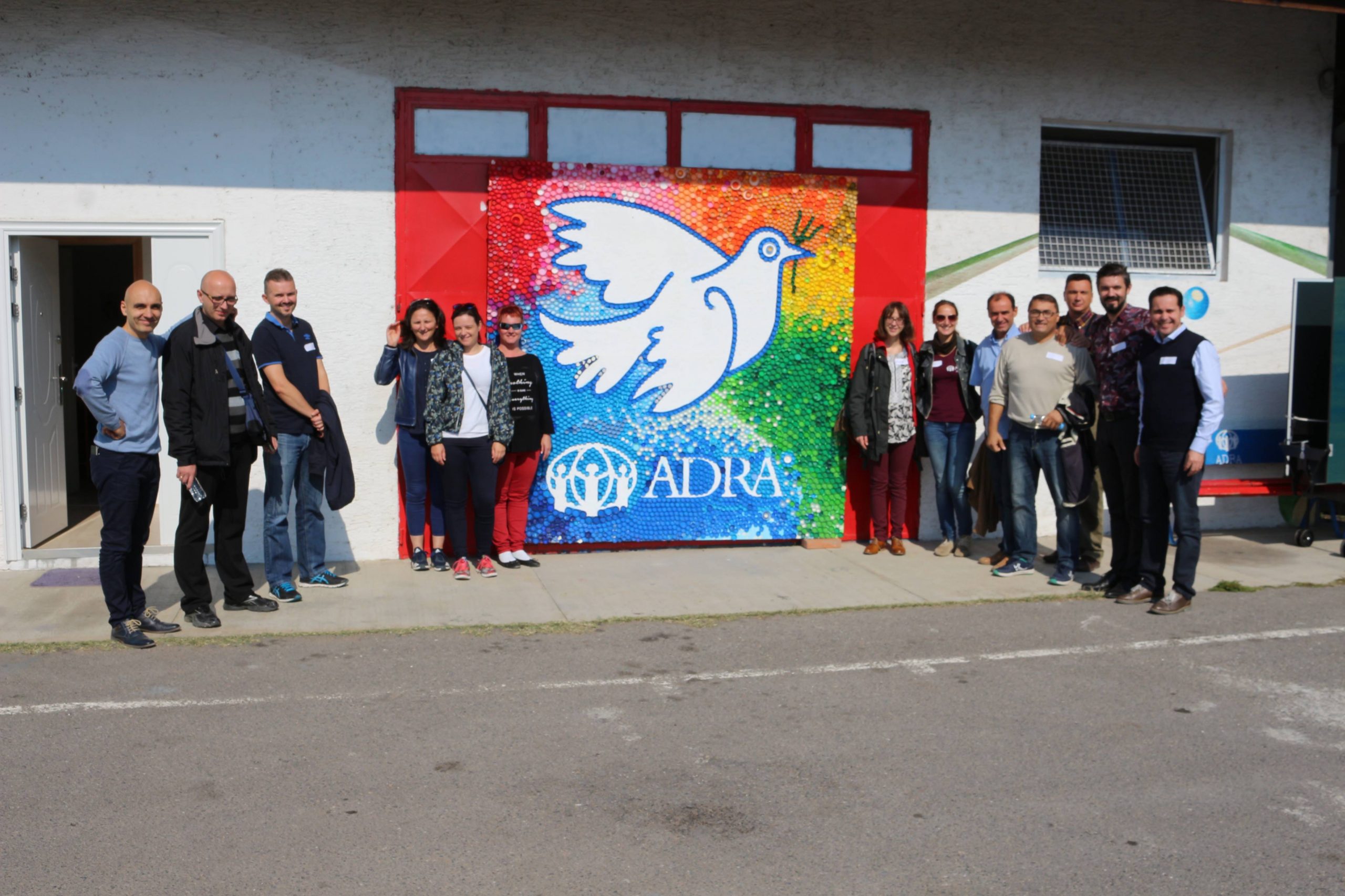
All ADRA Albania projects are implemented in the Kruja region north of Tirana. We are currently seeking to implement a project that would allow us, as in Kruja, to provide tutoring sessions for children and adults in the Roma community on the outskirts of Durres, Albania's second largest city.
What do you enjoy and find empowering about the activities within the ADRA network on a daily basis?
The work is very dynamic, plus we stick to the rule: „more heads - more sense“. So, as a volunteer, but at the same time a full-fledged team member, I have been involved in the creation and implementation of several projects. Plus I also tried my hand at preparing an evaluation questionnaire, creating a website and designing a brochure.
What is the difference between Slovakia and Albania – in terms of culture, tourism, hospitality?
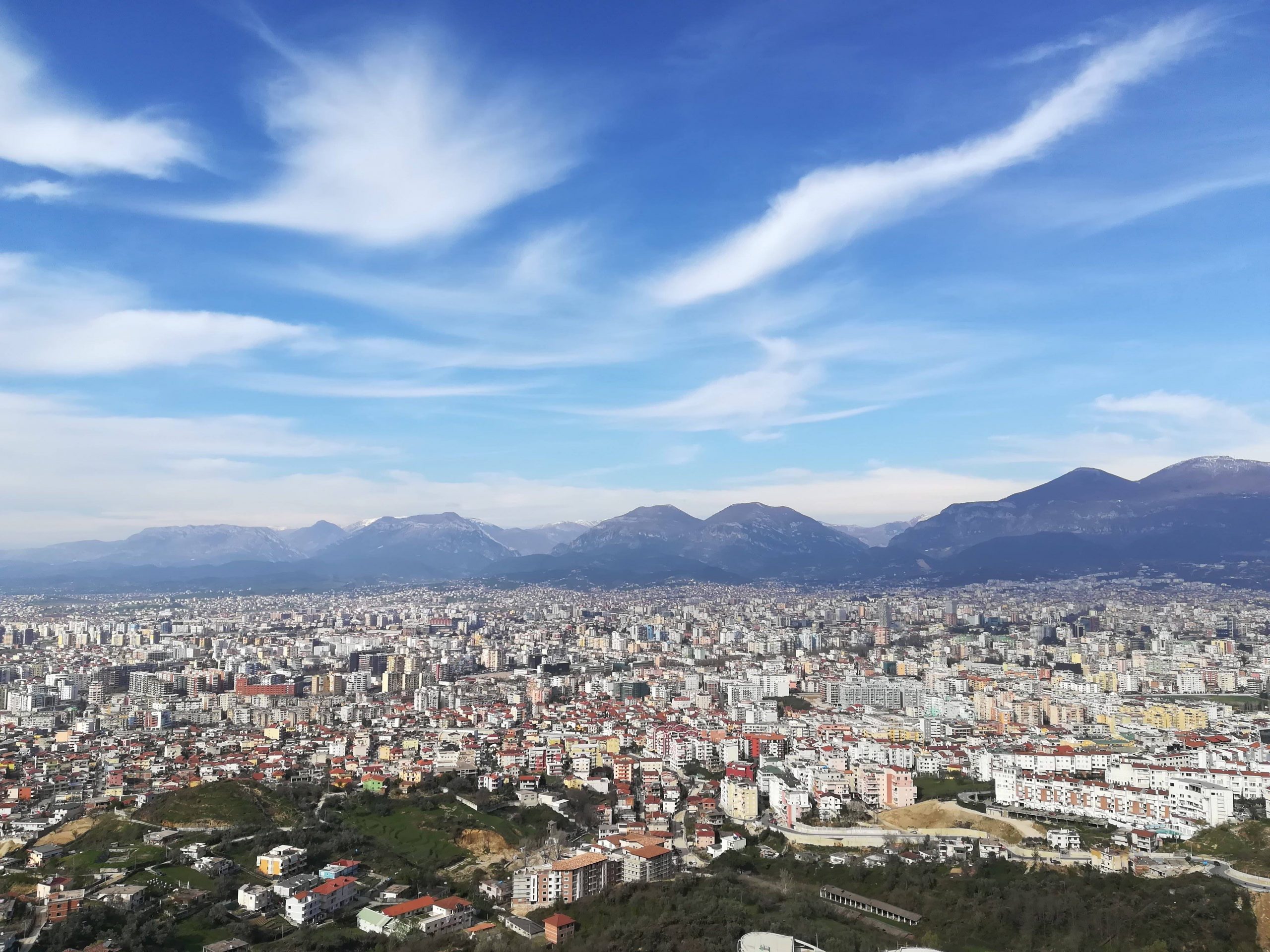
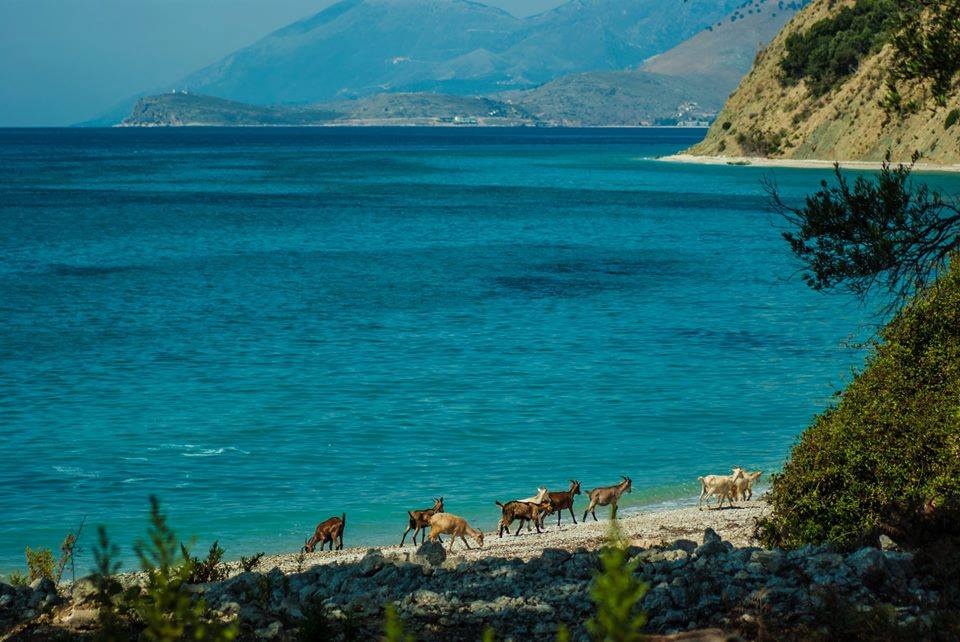
That's a topic for a whole book. Otherwise, speaking of the book, I'm working on a translation of a small collection of Albanian legends. I hope it will soon be finished and the curious will be introduced to Albanian culture by the heroes themselves. In terms of culture and nature, Albania really has a lot to offer. In the popular towns and especially on the coast, tourism is very well developed, including the necessary infrastructure. The reality inland, however, is quite different, but the ‚wilderness‘ of Albania's valleys and mountains is all the more appealing. There is no need to be afraid of wildlife (except for the so-called Cursed Mountains in the north, where you can also find bears), the only wild animal I encountered in the forests was a turtle... And one more tidbit: one of the last wild rivers in Europe, the Vjosa, runs through Albania.
And could you briefly describe the Albanian population?
Yes, through their hospitality. The Albanians are taking it to a whole new level. The comfort and safety of a guest in their home, or a foreigner in their country, is a matter of honour and dignity. Just as the Albanian social code has preached for centuries. And it is felt.
How are such holidays as Christmas celebrated there?
Hard to generalize. Since Christians and Muslims live there peacefully and together (plus mixed marriages are quite common), Christmas looks different in every family. But just like here, Christmas is about frantic chasing after presents, Christmas punch and most importantly, family. Tirana is absolutely gorgeous at Christmas, even the government buildings are decorated with Christmas lights...
How did you deal with the feeling of helplessness or burnout during your stay?
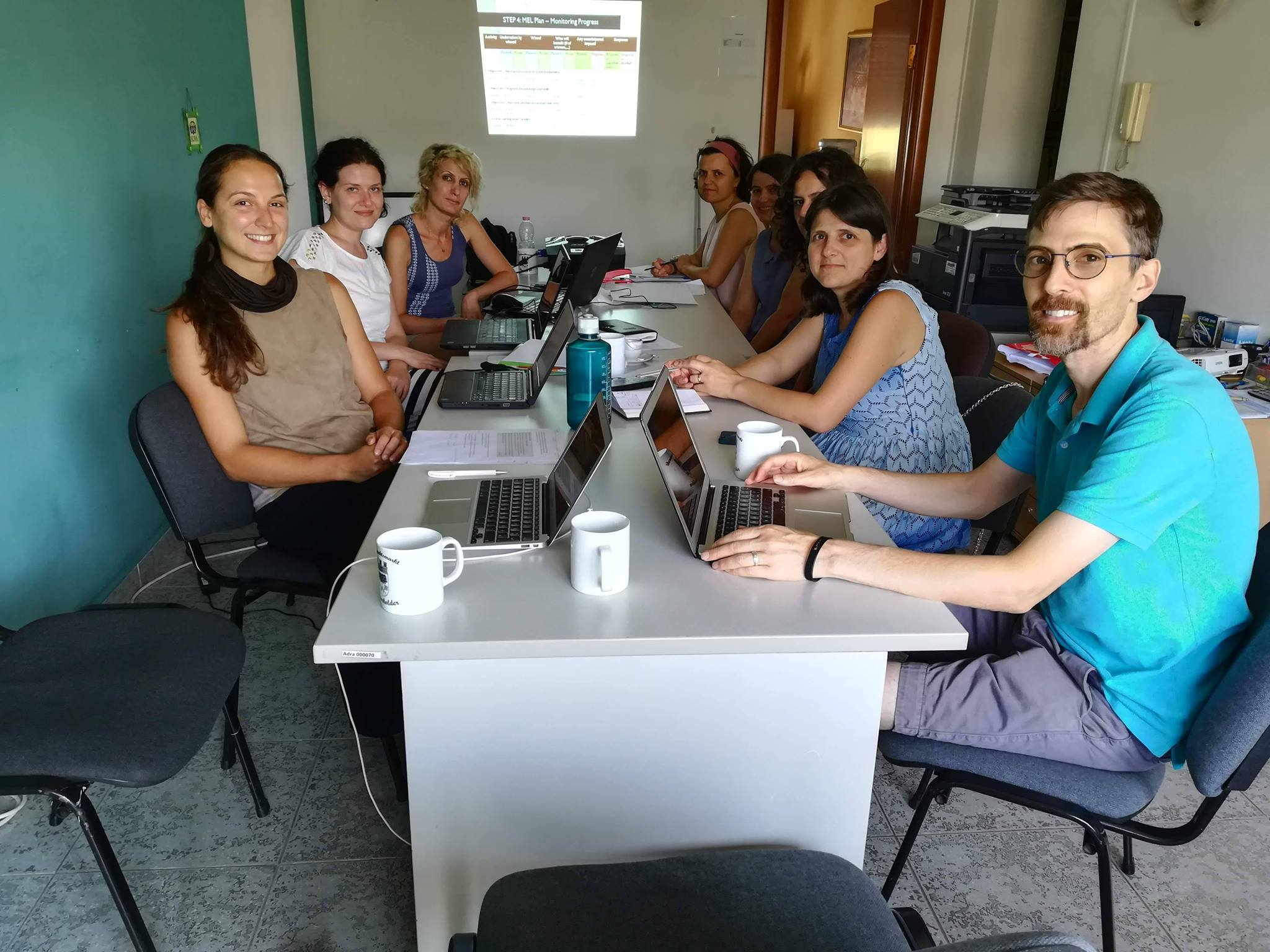
Of course, there were also difficult moments, especially when it was too much for us. Lots of work, little time, looming deadlines. But in a good team you can manage everything. And when things were at their worst, we sat down for a coffee (as the Albanian tradition says), had a good talk and went home with a lighter heart and a clearer head.
What is your biggest eye-opening experience in breaking prejudices?
What got me the most was the kindness of the Albanians. It comes straight from deep inside their hearts, although many times they look hard and tough on the outside. I have not recognized this based on one experience, but observed and experienced it from many smaller or larger everyday kindnesses and joys.
What skills did you learn during the past year in Albania?
There was a lot of that. Professionally, it's mainly writing projects. I can see the difference in the project I wrote in February (after coming to Albanian ADRA from Slovakia) and the one I wrote before I left. I feel an improving tendency, although there is always room for progress. But the biggest challenge for me has been working with social media, something I have always personally resisted. However, here it was a compulsory ride (in terms of visibility of local projects, raising awareness of the issues, and my updates and reports from the residency), so I learned to use Facebook and Instagram to communicate my work. I also learned to be more aware of body language, as I didn't understand the language - non-verbal communication is very important in everyday interactions. And since it was my first time living in a foreign country all by myself, I found out about myself that I'm quite a capable DIYer...
When you come back to the Czech Republic, in what field do you intend to work?
I would like to stay in the NGO sector. As I mentioned before, development cooperation and humanitarian aid has been my dream and long-term plan.
What do you consider important in the pre-departure preparation, which is mediated by ADRA Slovakia itself?
ADRA Slovakia has the advantage of familiarity with the local environment, not only due to the excellent cooperation with ADRA Albania, but also due to the continuity of sending volunteers to proven and certified organizations. Plus each volunteer placement is preceded by a mandatory two-month internship in the Bratislava office. It is also important to define your personal goal and motivation properly - to know: what to expect from living and working in a given country. I am looking forward to passing on the baton to the next volunteer from Slovakia. I also don't rule out going back again soon.
Why would you recommend such development volunteering to your peers?
Living and working in a foreign country is an incredible source of self-knowledge, broadens our horizons and teaches us to be more understanding, more tolerant. One should not be afraid and should be open to the country, its people and their culture. Only in this way can we learn something from them, and vice versa: they, in turn, can learn something about us. It is always about mutual interaction (action-reaction) and respect. If you don't travel, you won't experience something like this at home.
Are there enough offers in Slovakia for such volunteering trips?
Yes, and there is still more. For example, my home organisation to Albania Broadcast from not only development volunteers with the support of SlovakAid (a programme of the Ministry of Foreign Affairs of the Slovak Republic), but soon this will be complemented by the training and deployment of humanitarian volunteers thanks to the initiative EU Aid volunteers. This is a tremendous opportunity in terms of personal growth for individuals, but also in terms of concrete help for the needy. It should definitely be tried.
Interviewer: Boba Markovič Baluchová, Photo: archive of Veronika Zimova
 EN
EN  SK
SK