




During our monitoring trip in Lebanon, we heard the difficult stories of Syrian refugees.
One of them is the story of an elderly lady who was sitting by one of the tents in the Al Faour refugee settlement. She said she was waiting to meet us. However, the pleasure was on our side. We had heard about her before. In fact, as part of our project, we had planned to install latrines for the local Syrian community. Our local partner ADRA LibanoHowever, n informed us of a lady who has special needs. Instead of the so-called Turkish toilet that the locals are used to, this lady needs a European type toilet. This is because she has a sore leg and cannot bend it well or even squat. Therefore, after arriving at the settlement, we were very curious to see how she was happy with her new toilet. Her family was happy to show us around their dwelling and also showed us the new toilet we had installed for her a few months ago.
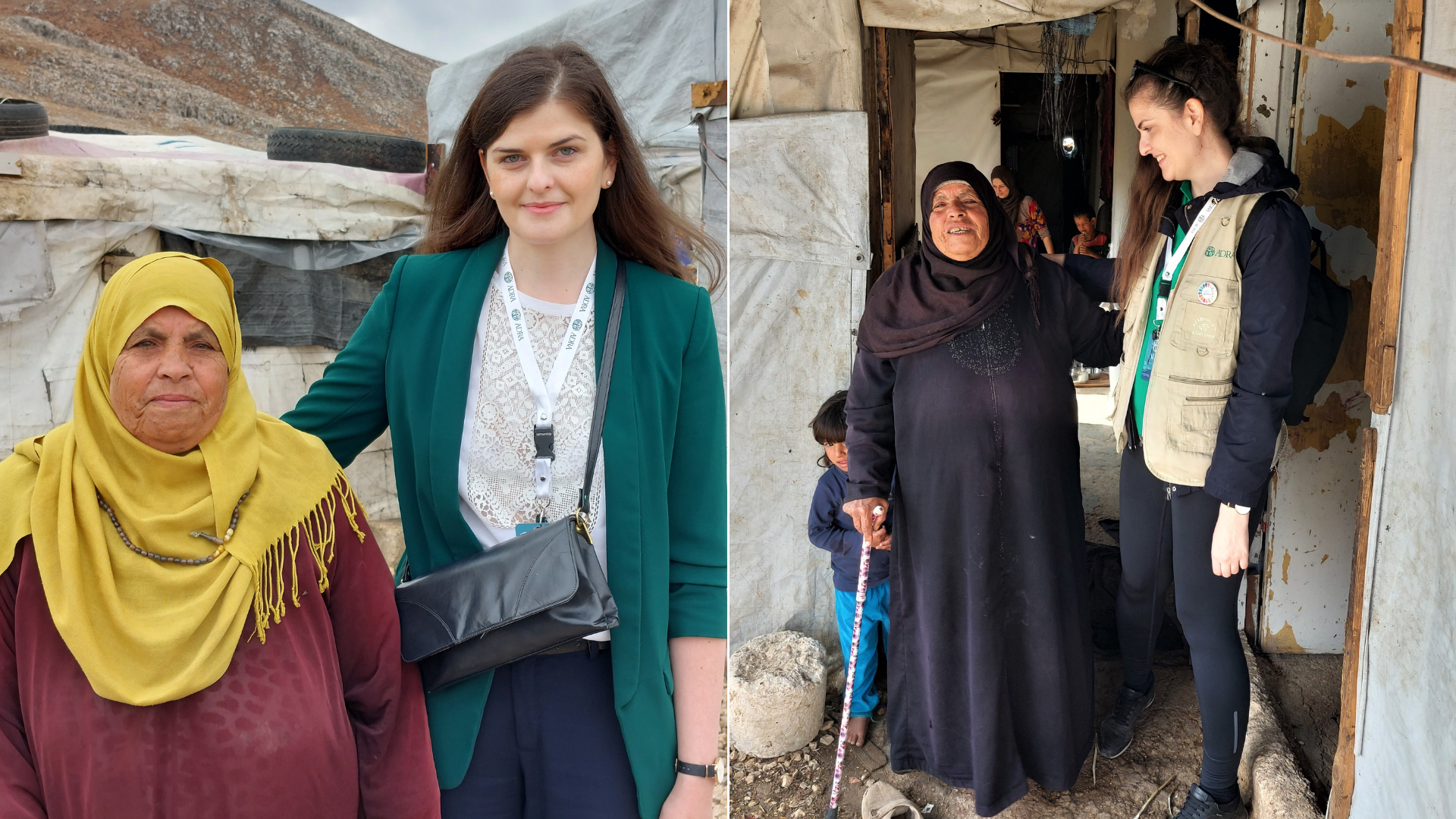
After a short conversation, she settled us in, and told us about her life in Syria until 2013, her escape from the war and the new beginnings she and her family had to face. Life on the run has not been easy for her at all. Finding a job is extremely difficult, and even where she occasionally earns something, it is only enough to cover her basic needs. The priority is to get by. There are no resources left for her children's education and health.
Another serious problem, according to locals, is the lack of sanitation facilities in refugee settlements. People are often forced to carry out the need into makeshift pits. Many times it has happened that children have fallen into them and injured themselves. Apart from providing no privacy and being undignified, such a solution also endangers the surrounding land. It is precisely in the current crisis, when cholera has begun to spread unstoppably through the country, that the need for clean and safe toilets is more important than ever.
That is why we have installed 30 latrines for Syrian families in the settlement. In addition to significantly improving sanitation conditions in the community, the latrines provide additional privacy for women and girls.
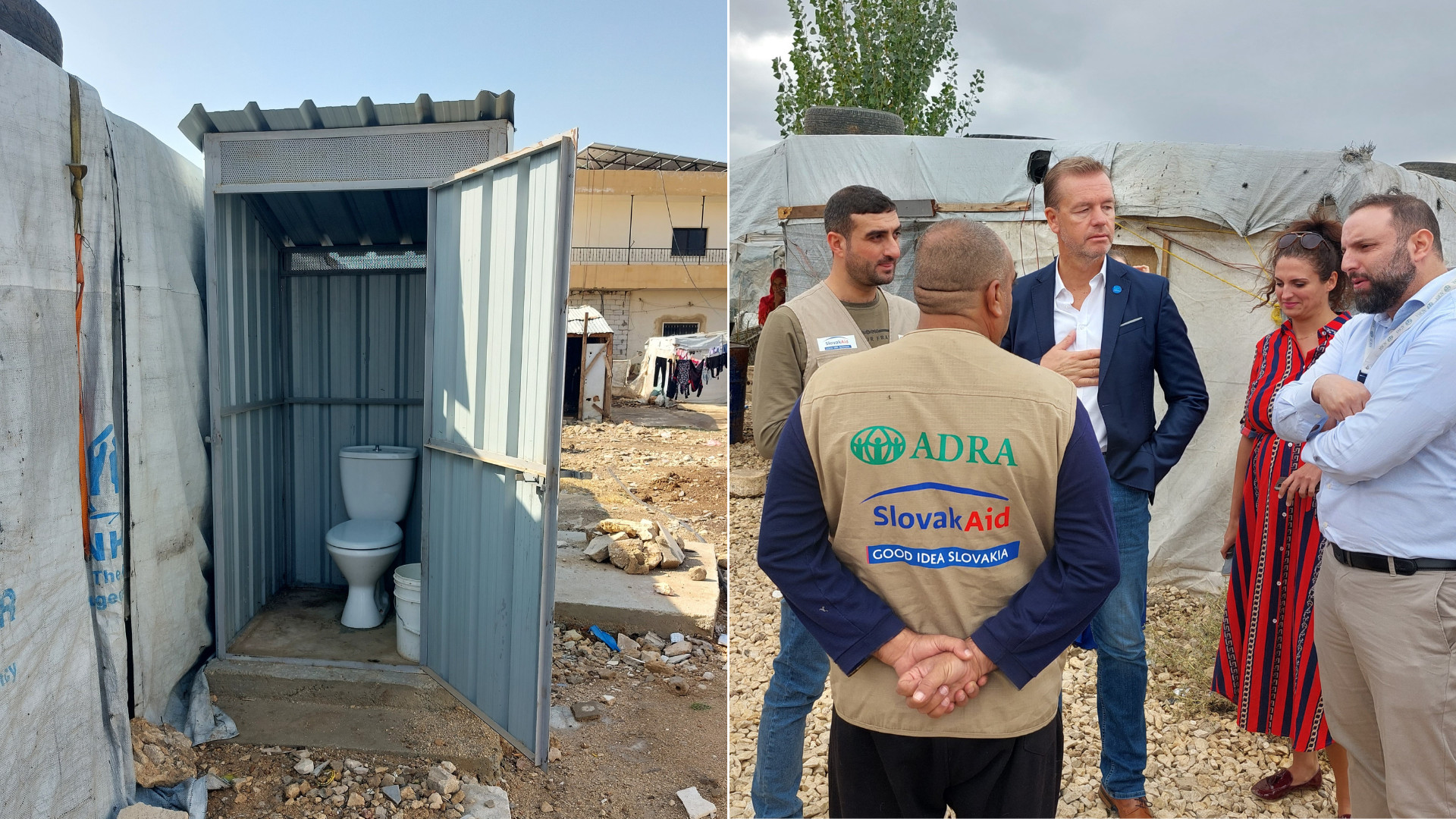
Some would say - it's one thing to build latrines, it's another thing to take care of them... But we thought about that too. Part of our project was to train the so-called WASH committee, which takes care of the operation and maintenance of the latrines. The commission cleans the toilets regularly and calls the local organization that takes care of the defecation when necessary. The work, while not entirely pleasant, is meaningful to the commission members - the safety and well-being of their community is their first priority.
. . .
Project „Strengthening critical WASH infrastructure - water supply system and small reservoirs for Syrian refugees and Lebanese in the Bekaa and Baalbek-Harmel area,“ is financed from Official development assistance of the Slovak Republic and implemented in cooperation with ADRA Lebanon.



 EN
EN  SK
SK