




We confirm that all our staff, volunteers and partners are okay.
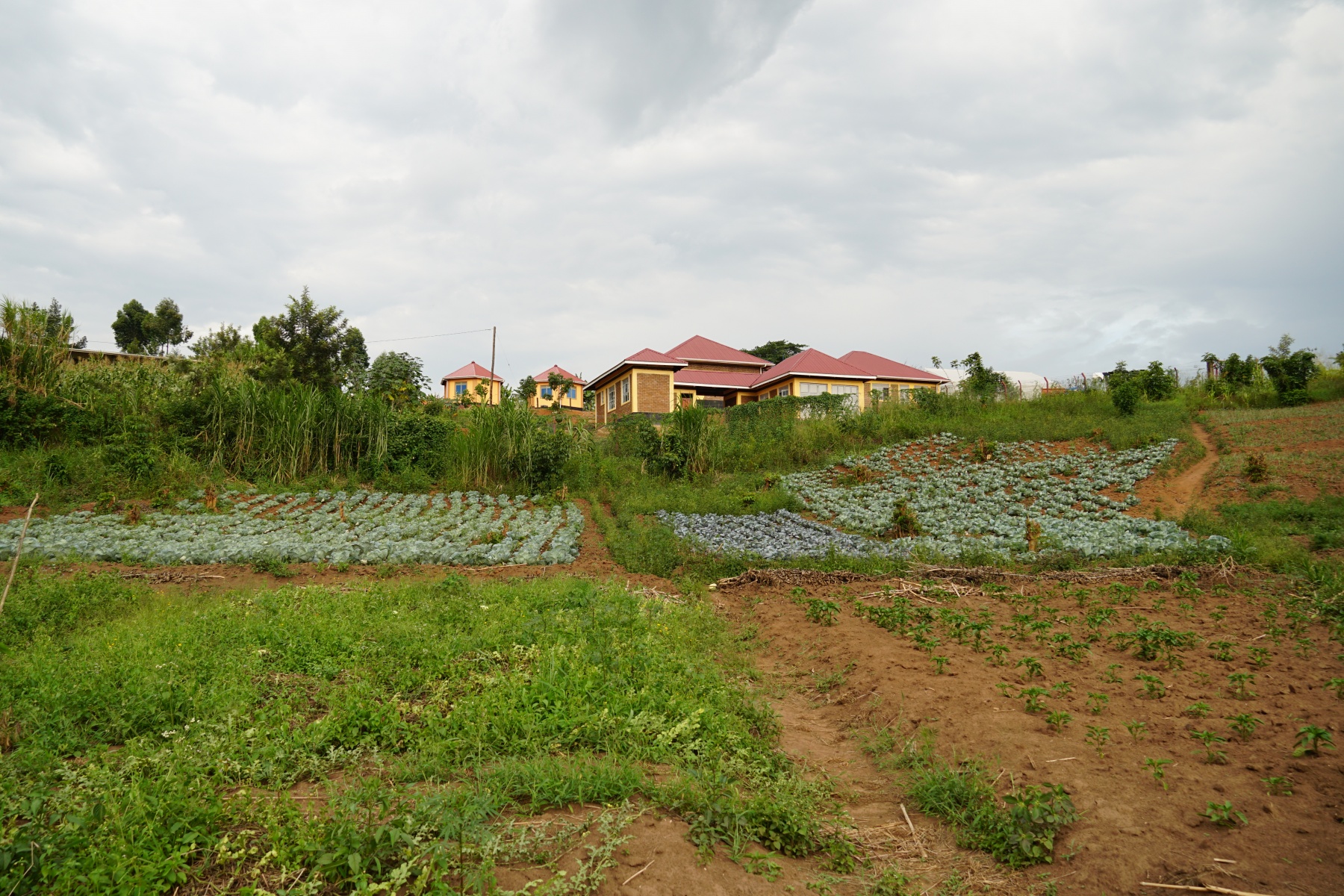
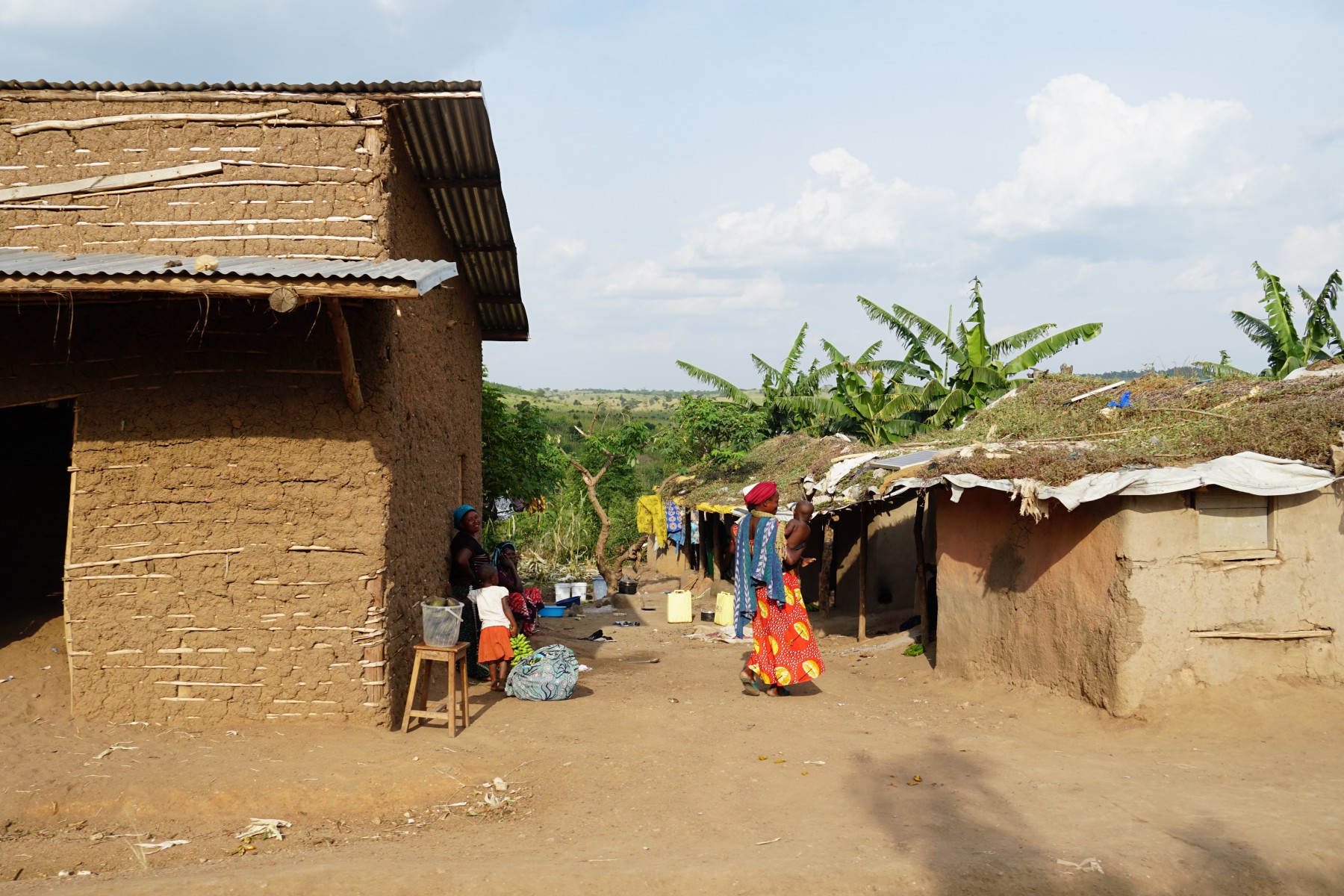
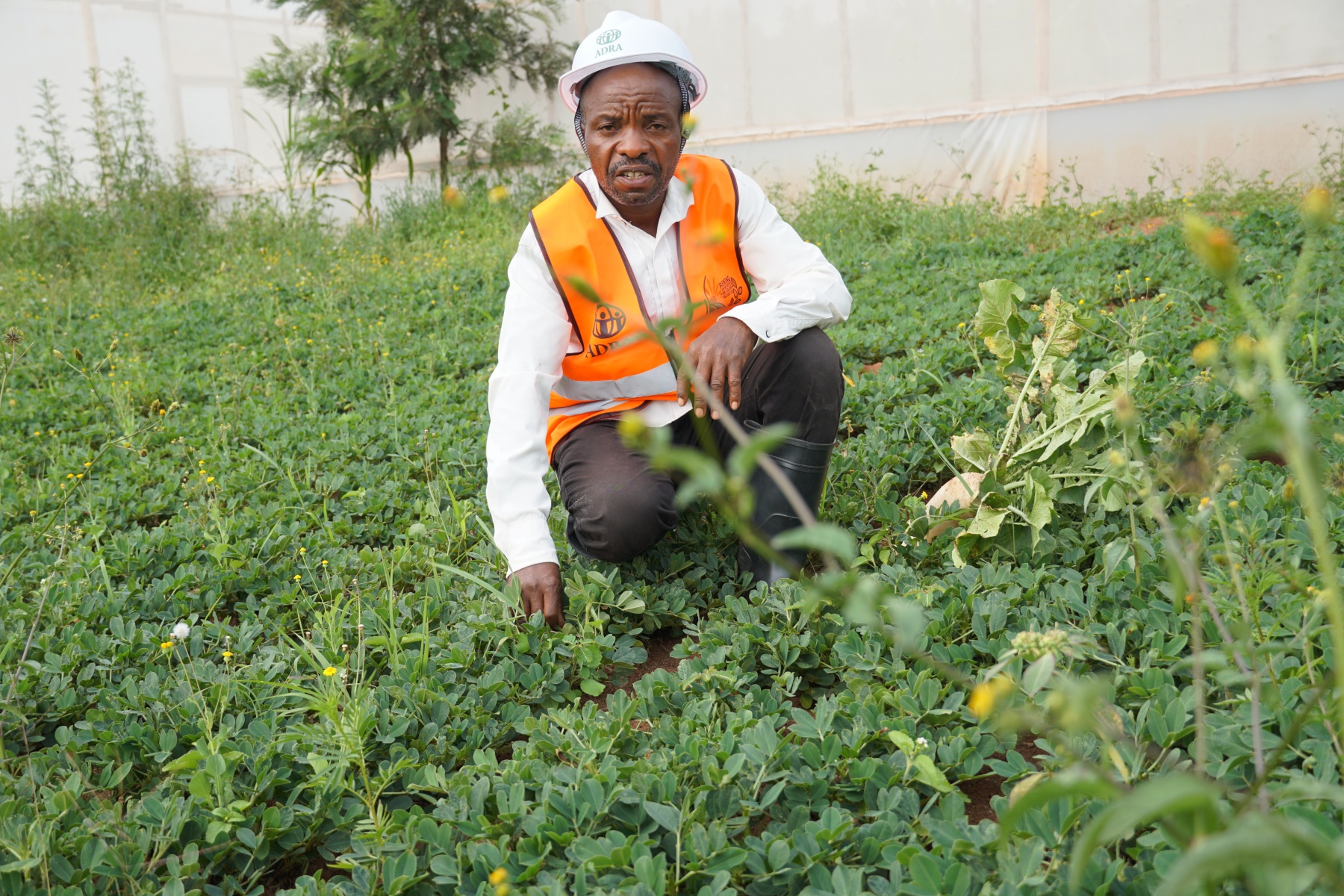
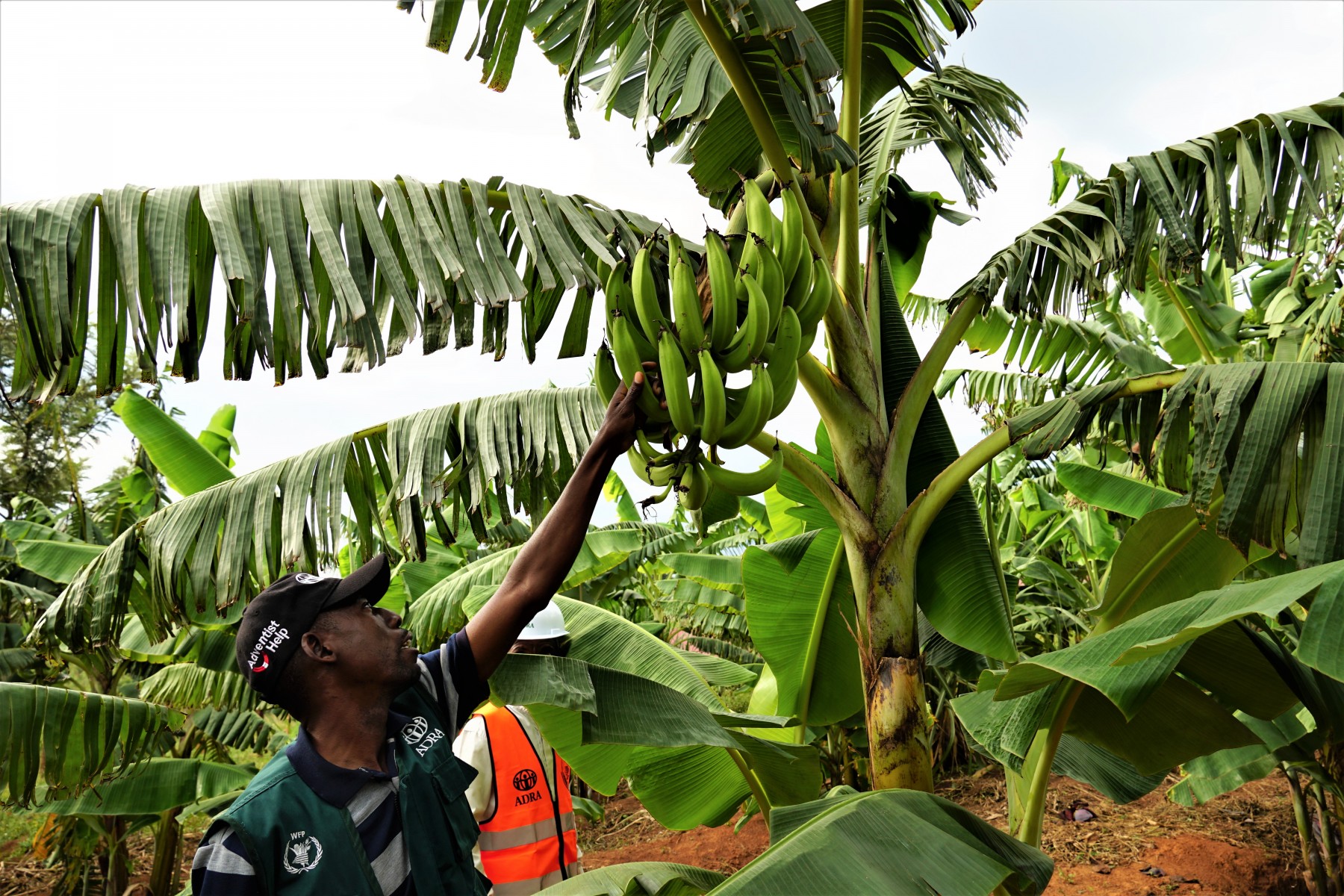
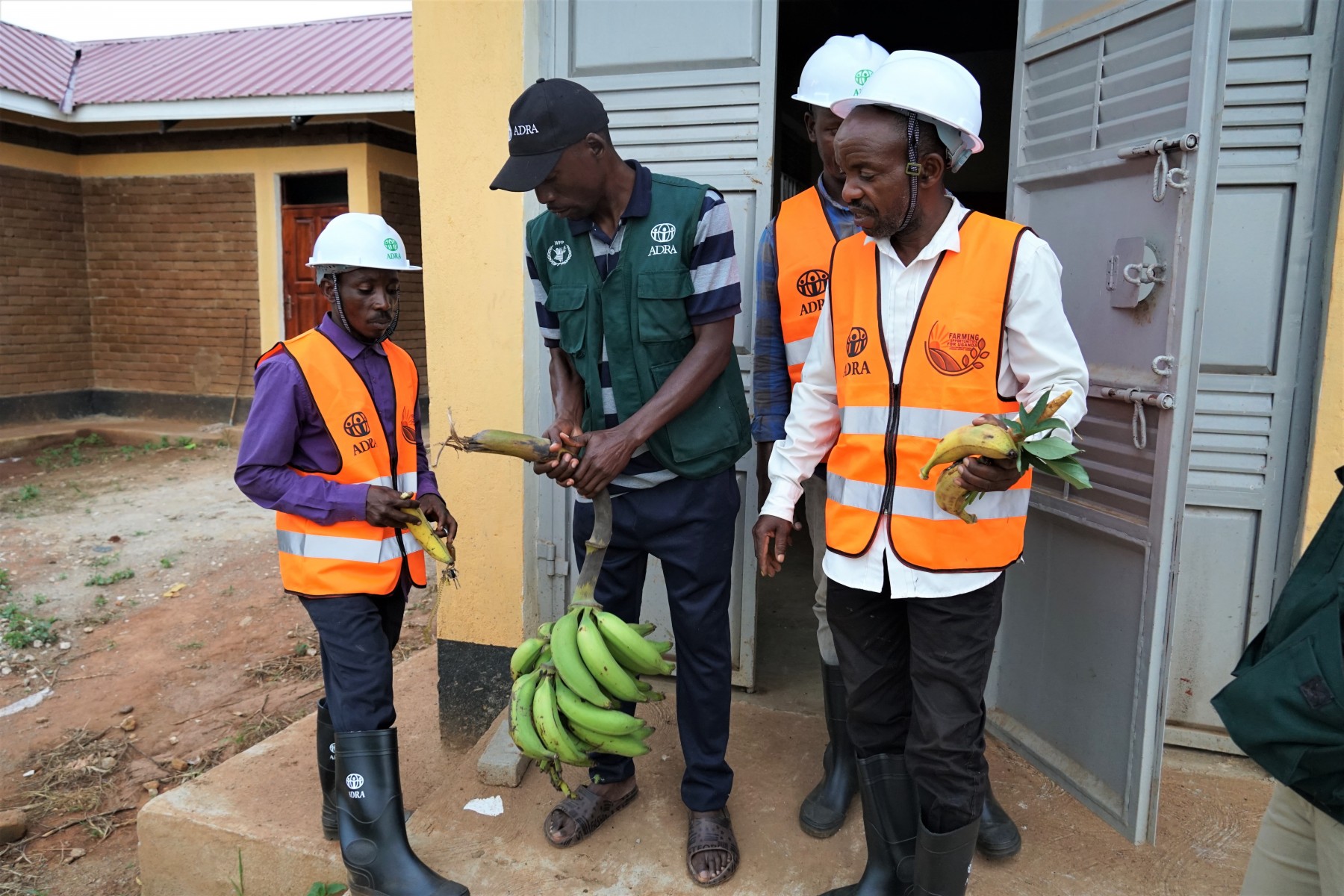
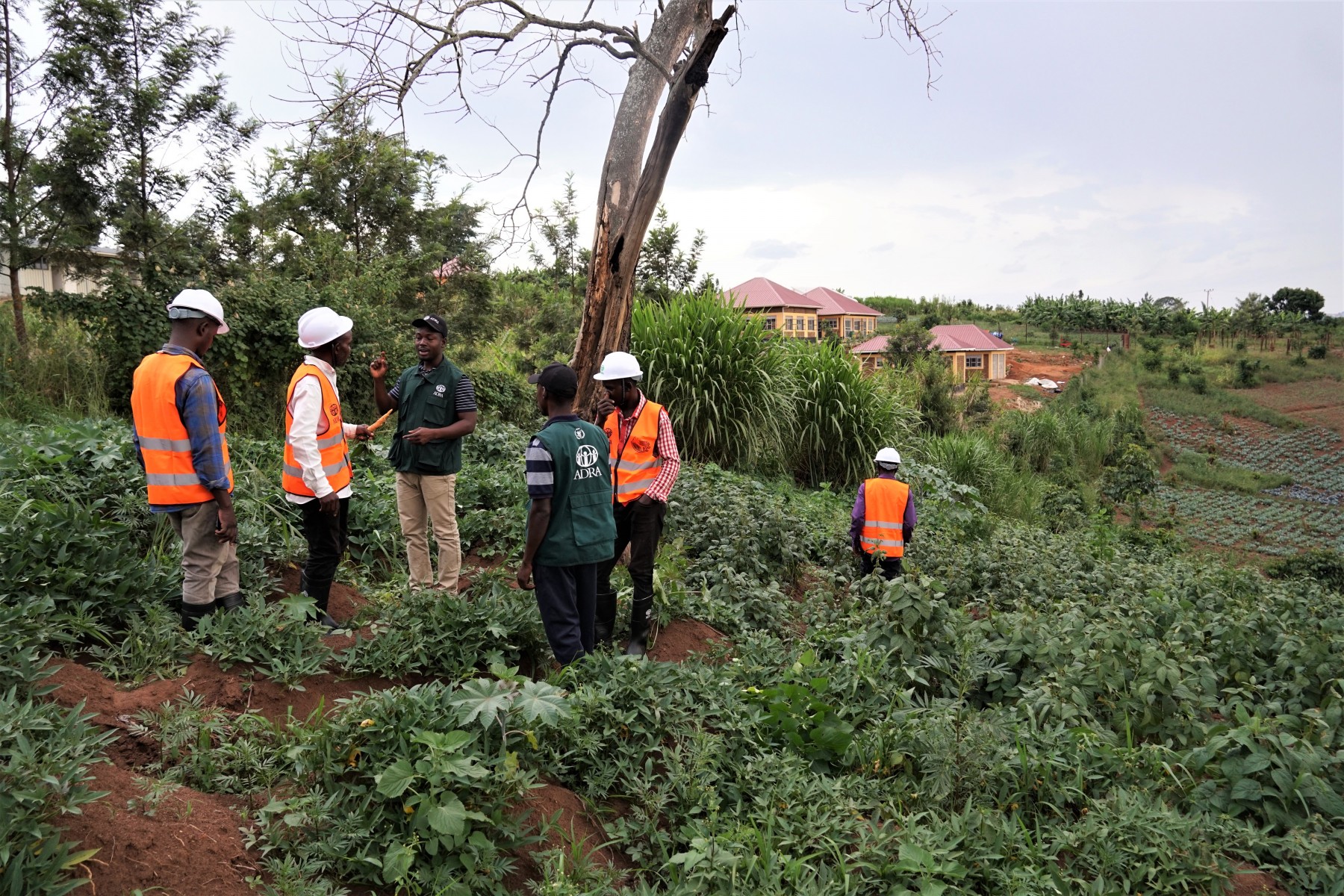
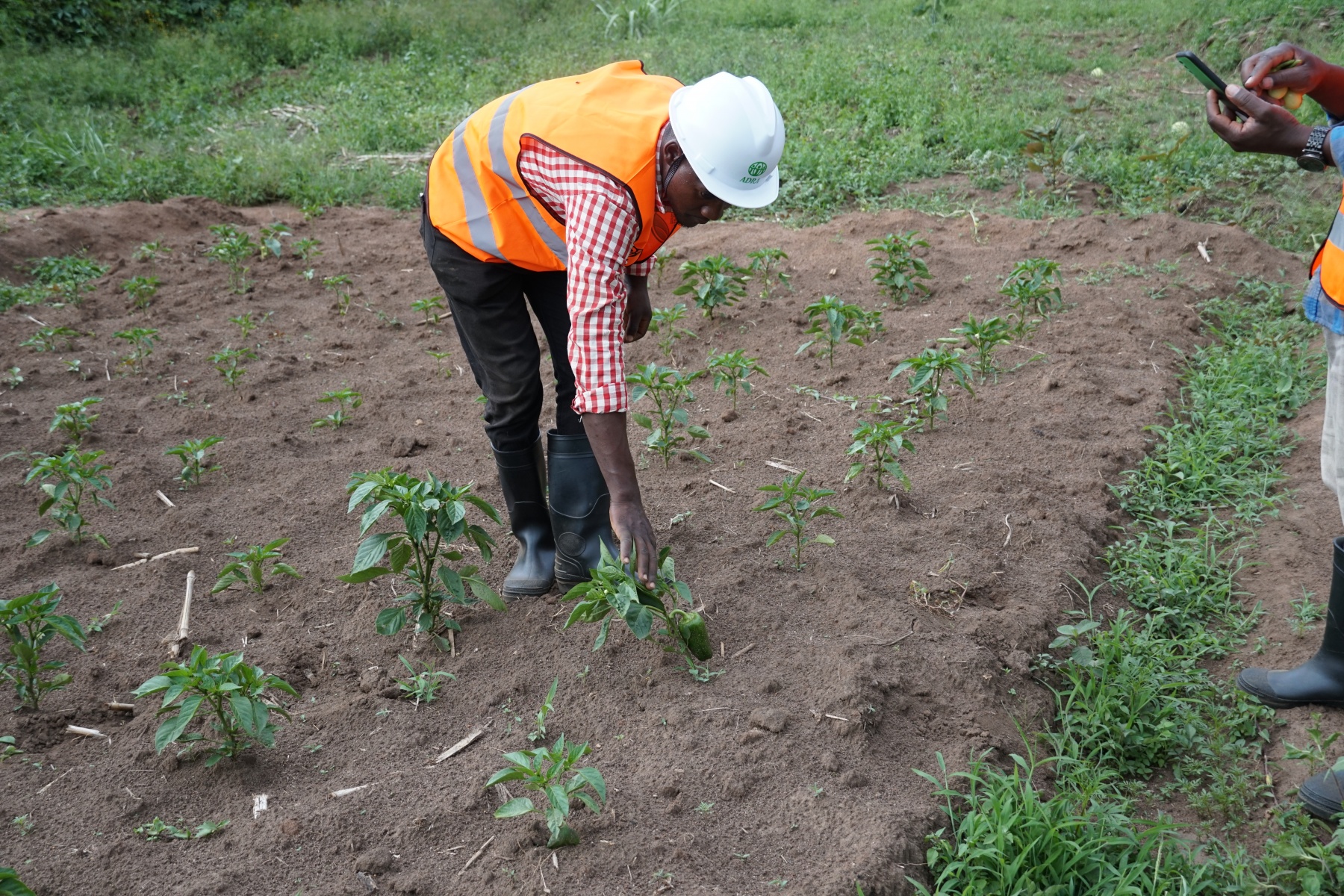
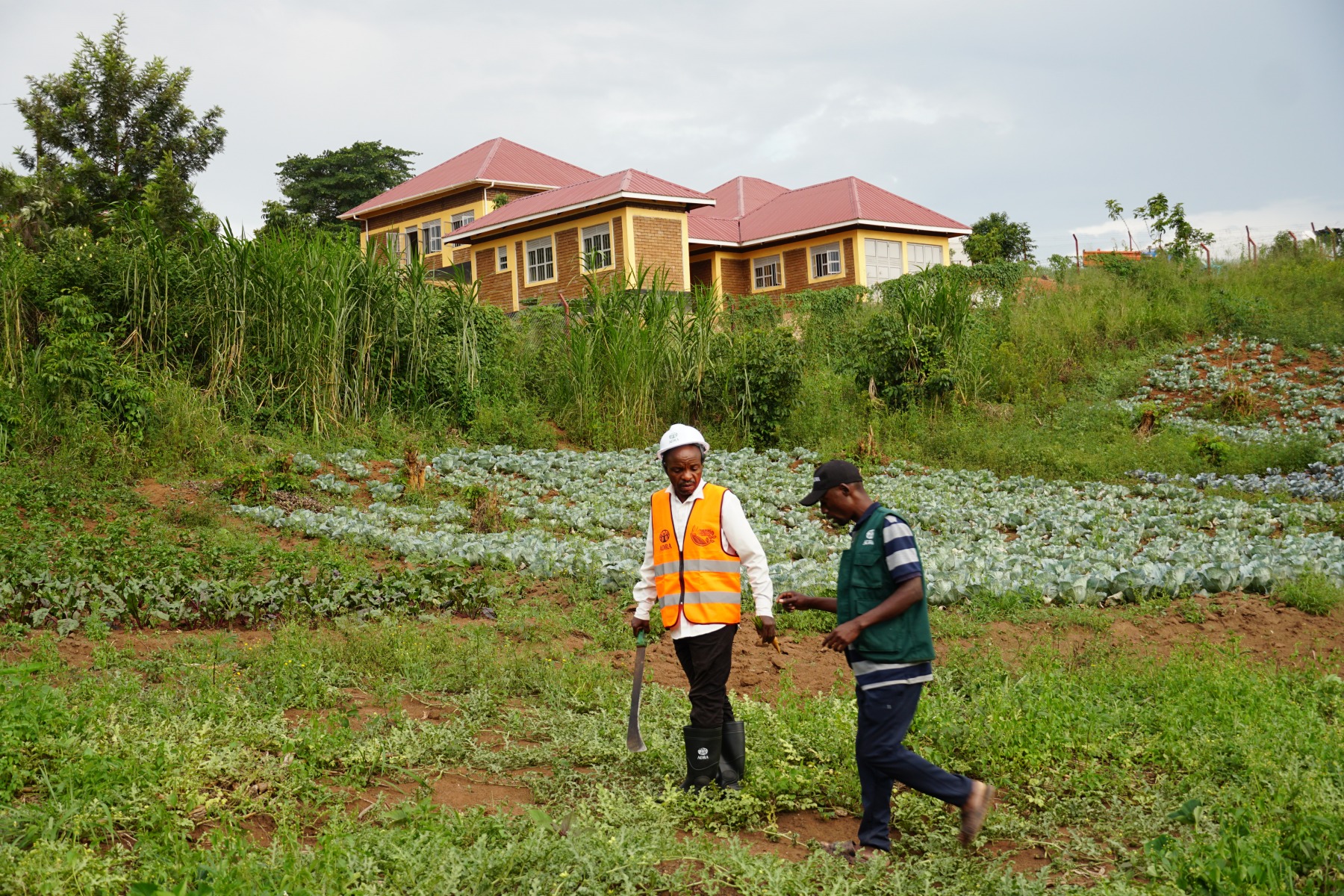
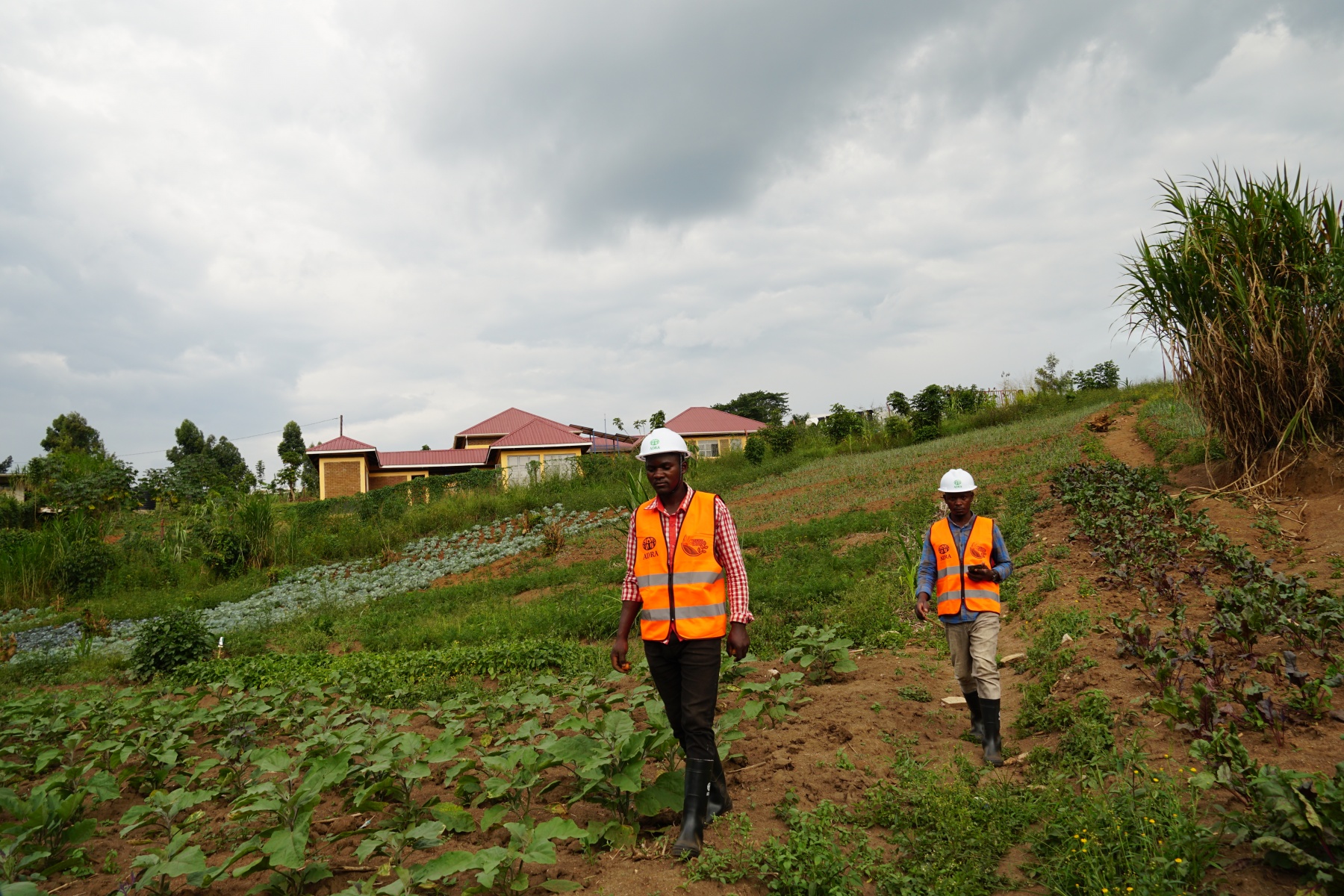
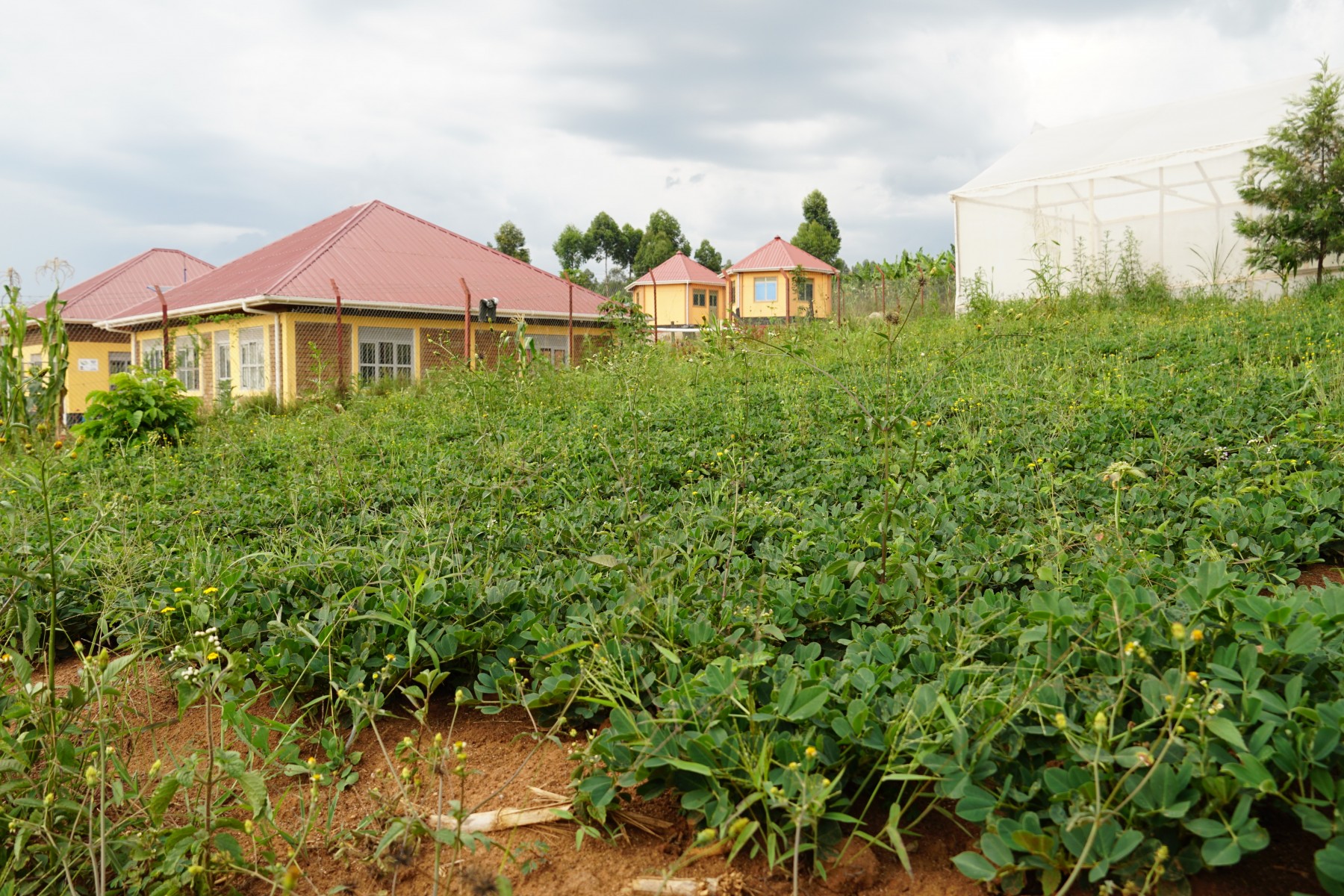
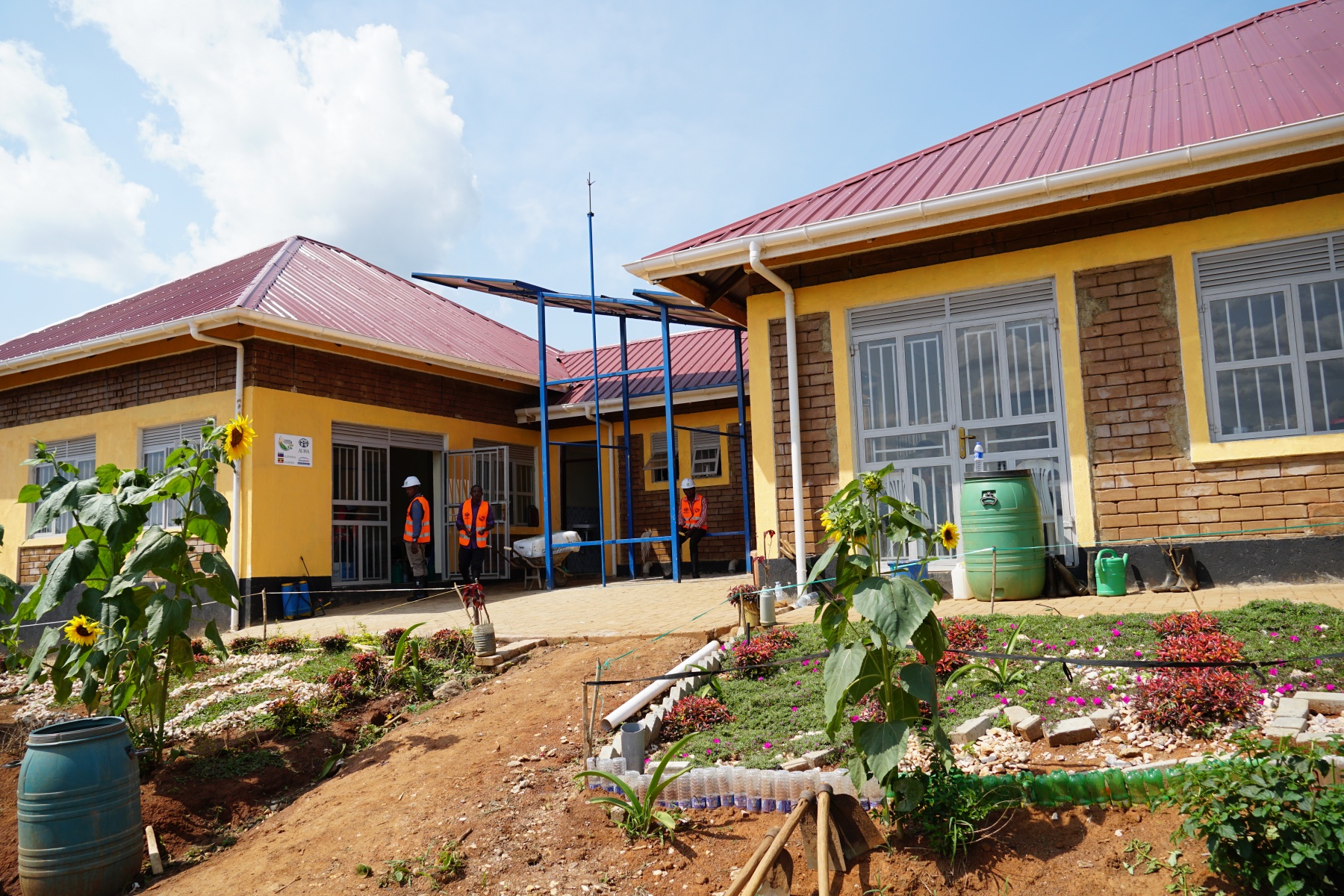
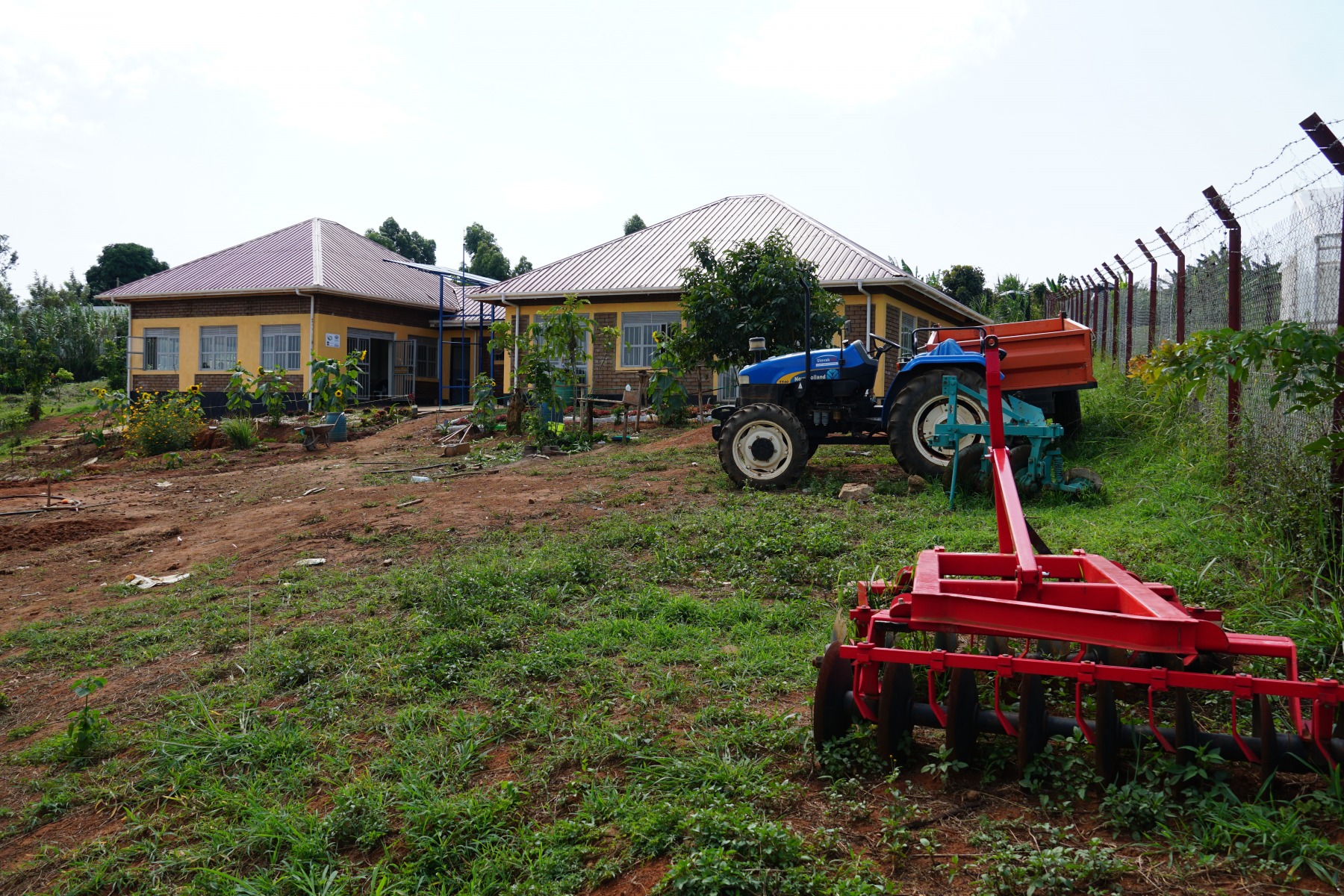
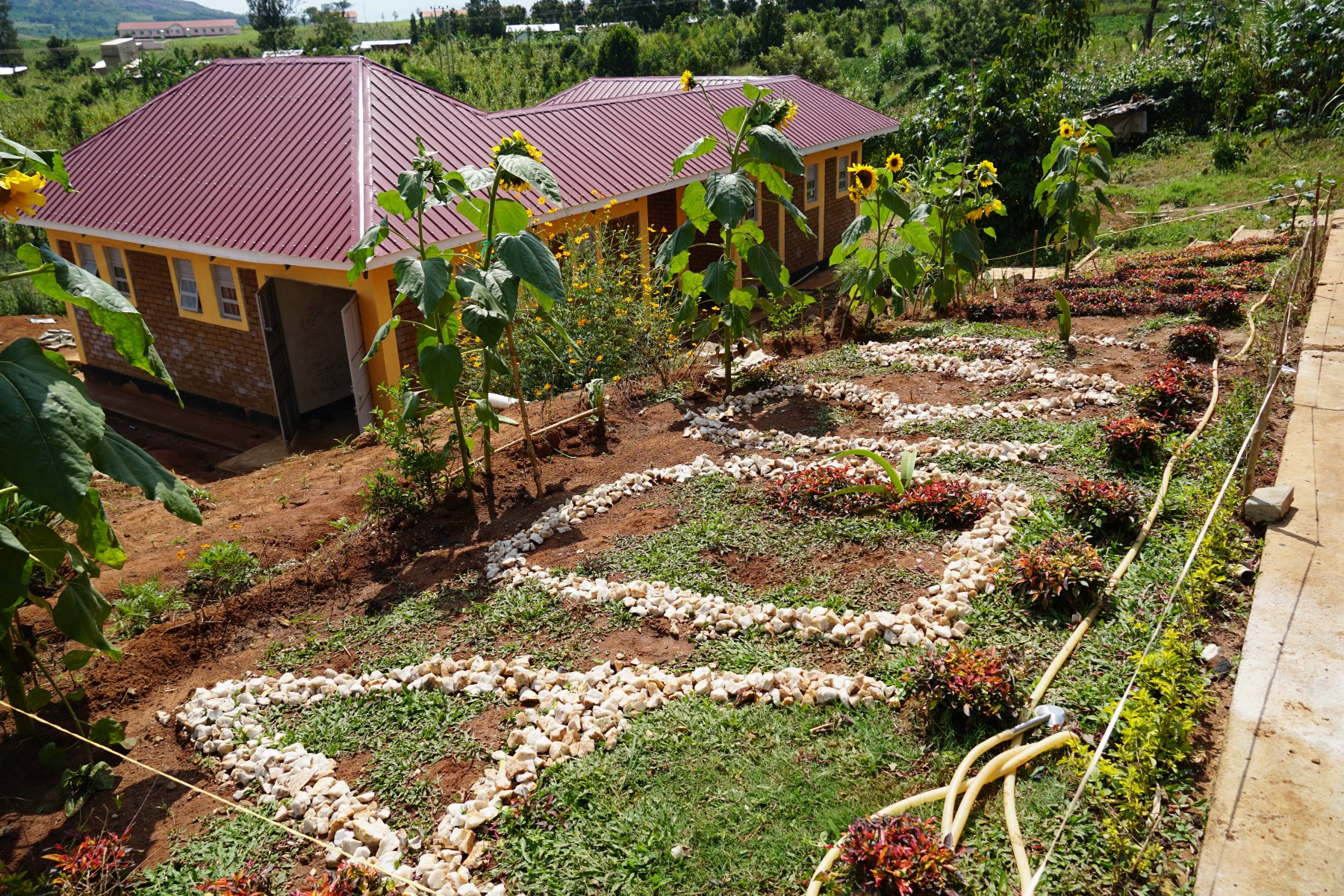
The first case of Ebola was confirmed in Uganda on 20 September, with authorities reporting 120 infected to date. The epicentre of the epidemic is the very area where we carry out our humanitarian and development projects. The towns of Mubende and Kyegegwa are home to the Kyaka II refugee camp, and our farm and training centre, which We teach local newcomers how to farm. With our colleagues from ADRA Uganda we have decided to suspend all activities in order to eliminate the gathering of people and to prevent the spread of the disease. In addition, the staff of the centre are subject to strict hygiene measures to prevent the spread of the disease. We are in contact with our Ugandan partners, and we believe that strict adherence to hygiene protocols and regulations will protect them from contagion.
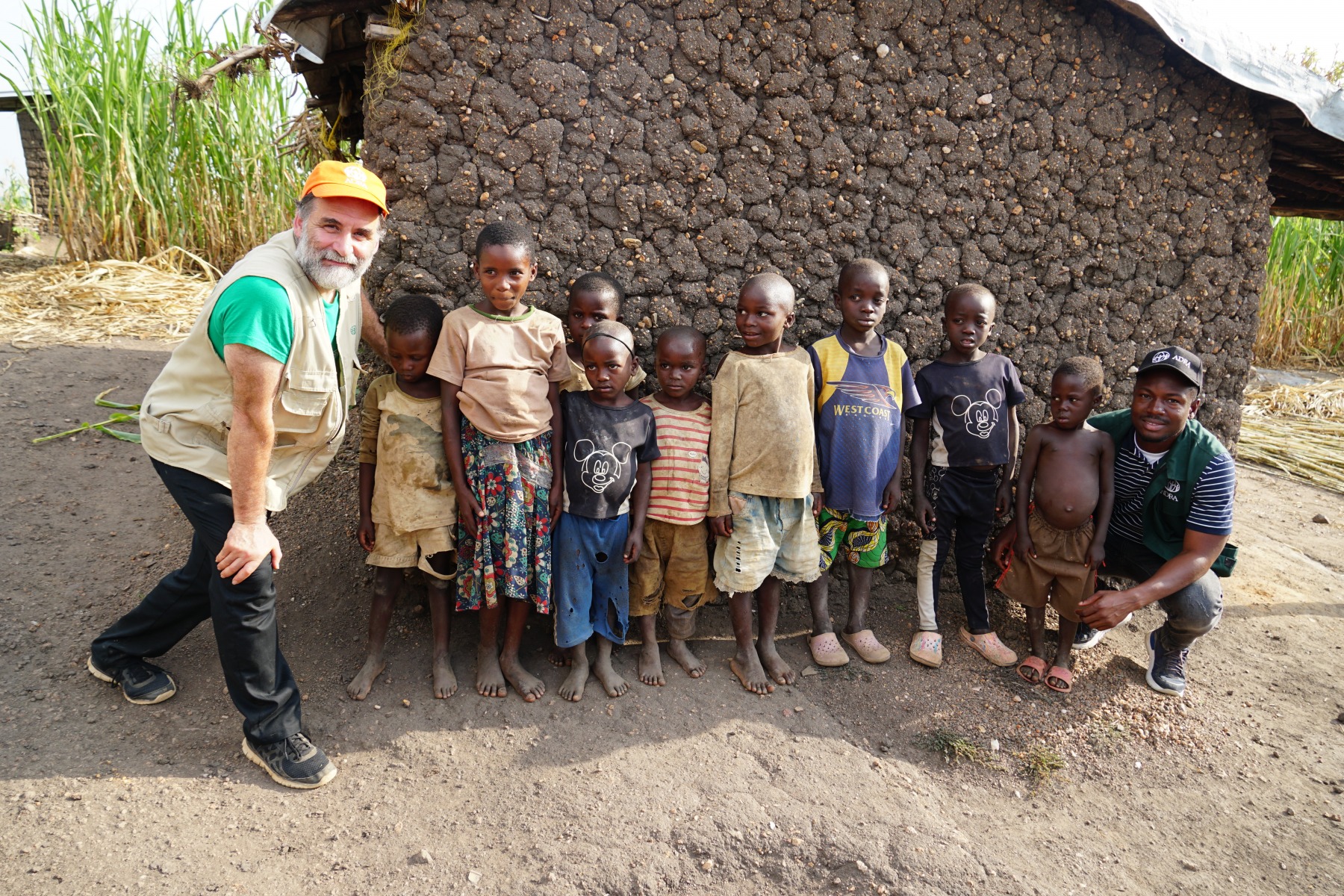
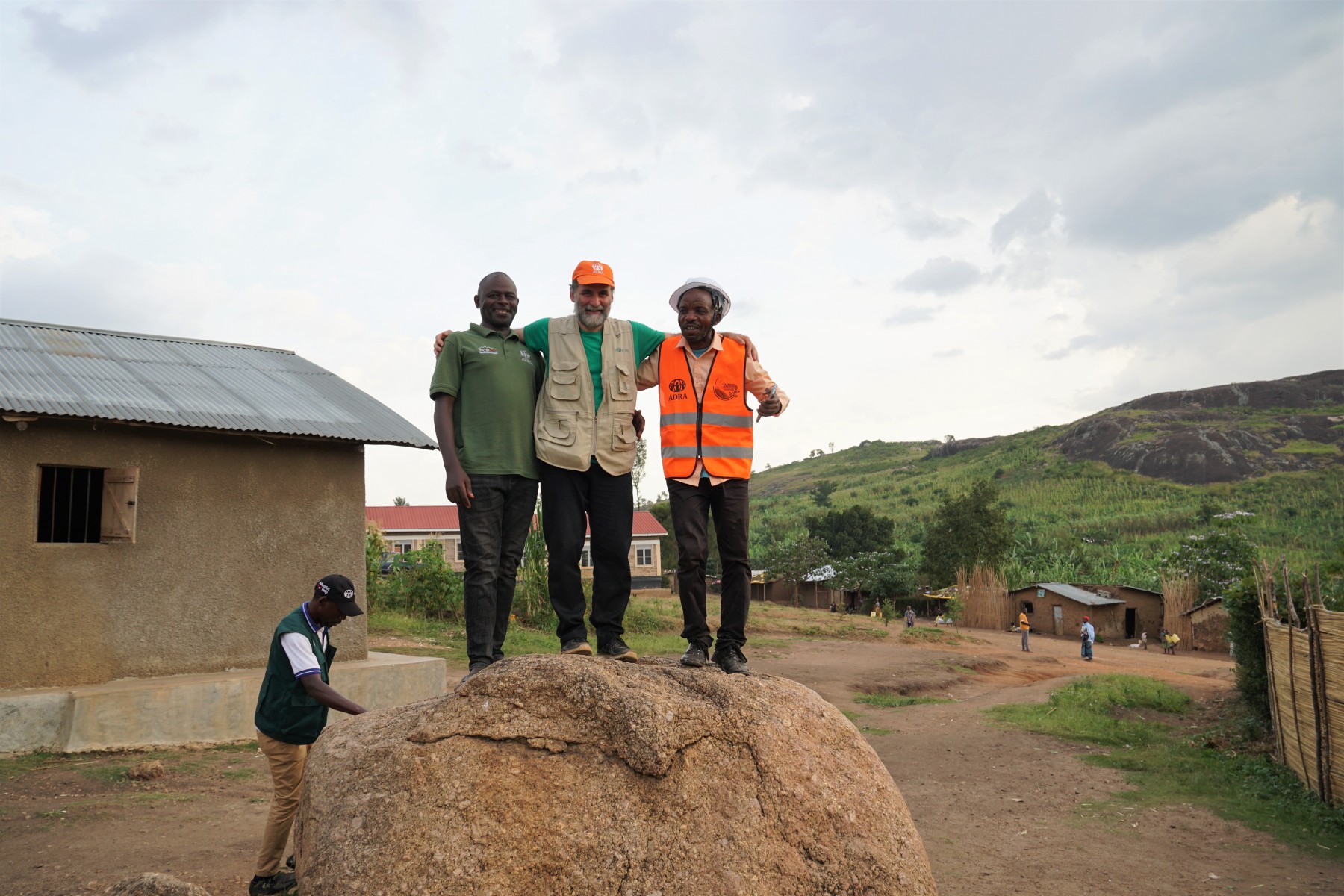
One person's violation of the strict quarantine has caused the disease to spread to the capital city of Kampala, and to the very outskirts of the district where our three EU Aid volunteers. One of them is even helping right in the school where one of the teachers has Ebola. The volunteers suspended all their activities and were given a week off. They will therefore be away from the affected areas for the next few days. We are in regular contact with the volunteers and are monitoring the situation closely.
According to the European Centre for Disease Prevention and Control However, there is very little likelihood that EU citizens living in affected areas of Uganda would be at risk from the virus. Transmission requires direct contact with the blood, secretions, organs or other bodily fluids of infected people or animals, all of which are unlikely for tourists or expatriates from EU countries. However, our volunteers must still follow all recommended precautions. As the situation is very dynamic and the health of all involved is our first priority, we will monitor the situation. As a humanitarian organization, we often have to face unpredictable and dynamic events. We are ready to react quickly, but if the situation requires it, we are ready for a more radical solution and the immediate evacuation of the volunteers.
Ebola is one of the many hemorrhagic fever viruses that causes blood clotting problems and internal bleeding. The virus is transmitted to humans from wild animals, and then from human to human. Critically ill patients need to be given intensive and supportive care. No licensed treatment or vaccine is currently available.
We will keep you informed of developments.
. . .
Sending volunteers is part of the project #SuDHAV3 (Sustainable Development through Humanitarian Aid Volunteers 3), funded by the European Commission and co-financed by Official development assistance of the Slovak Republic.






 EN
EN  SK
SK