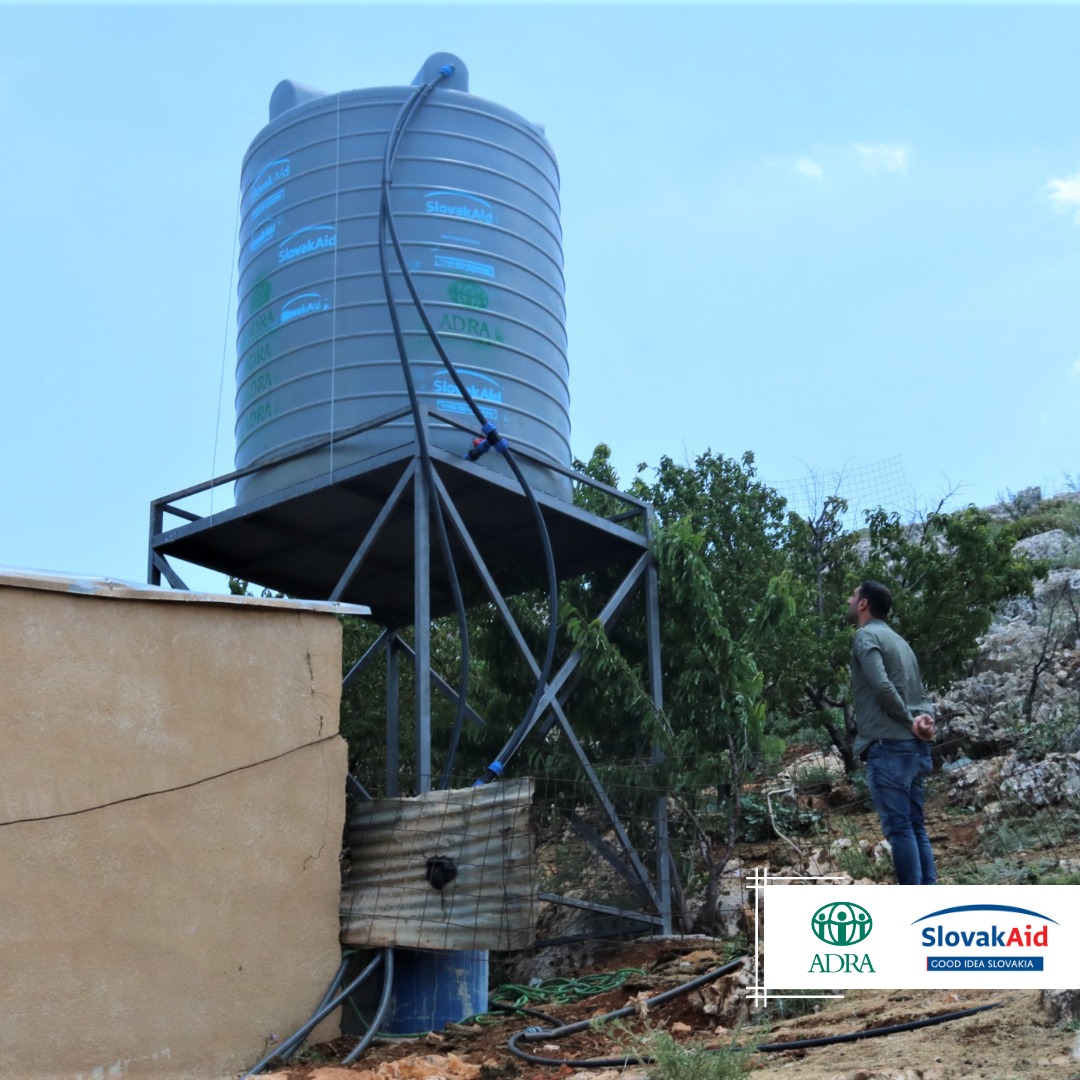
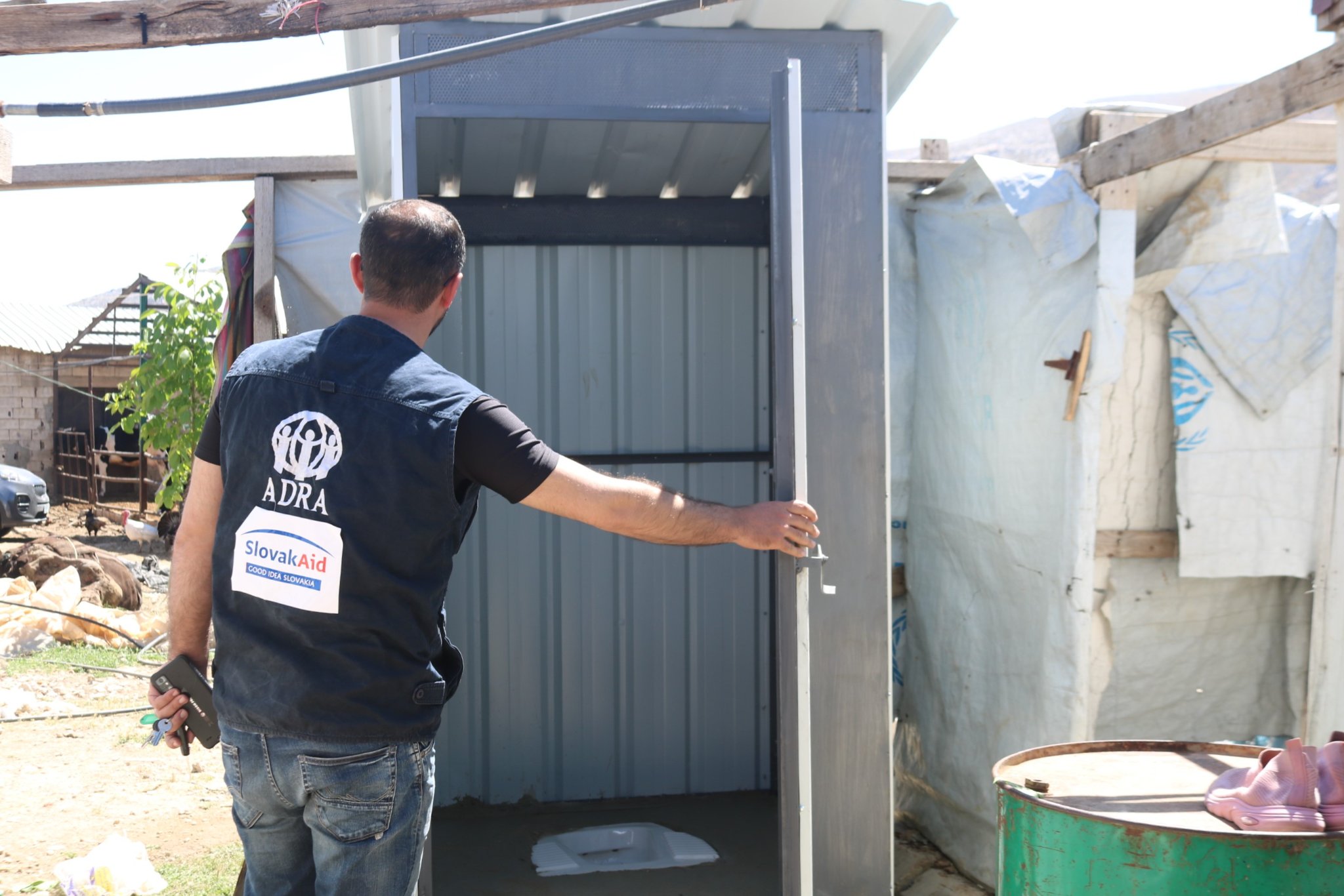
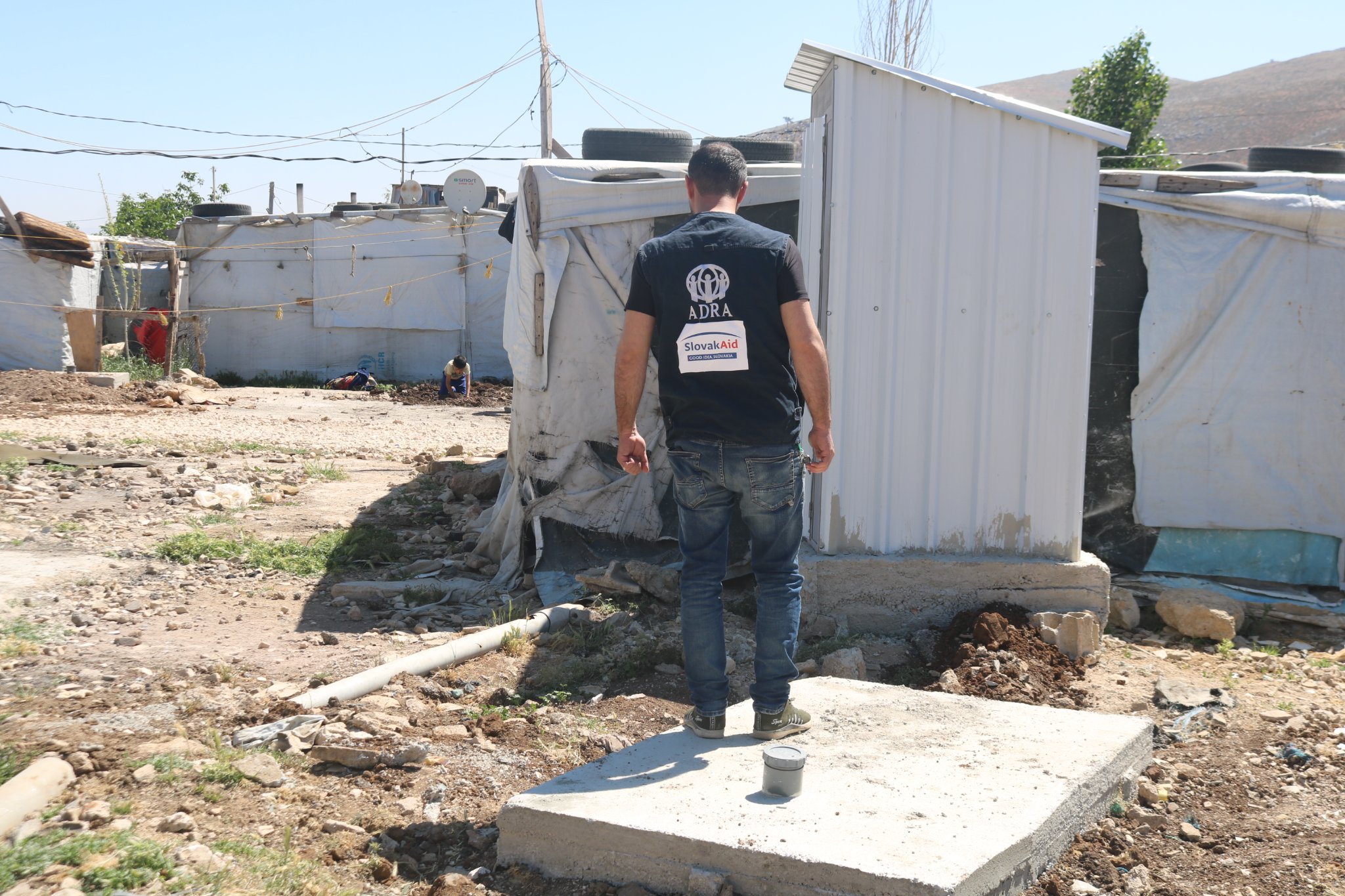
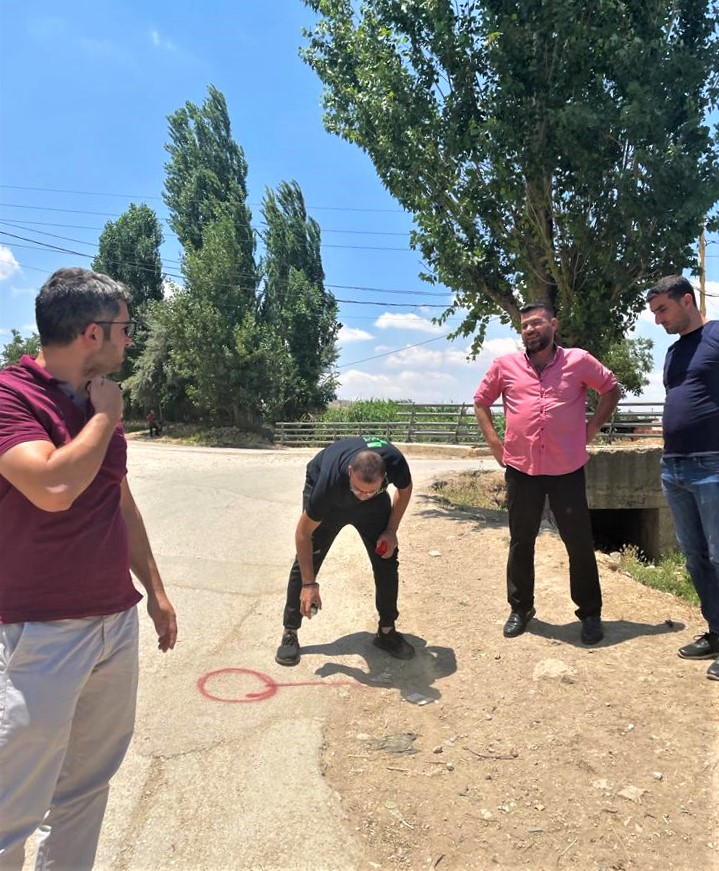
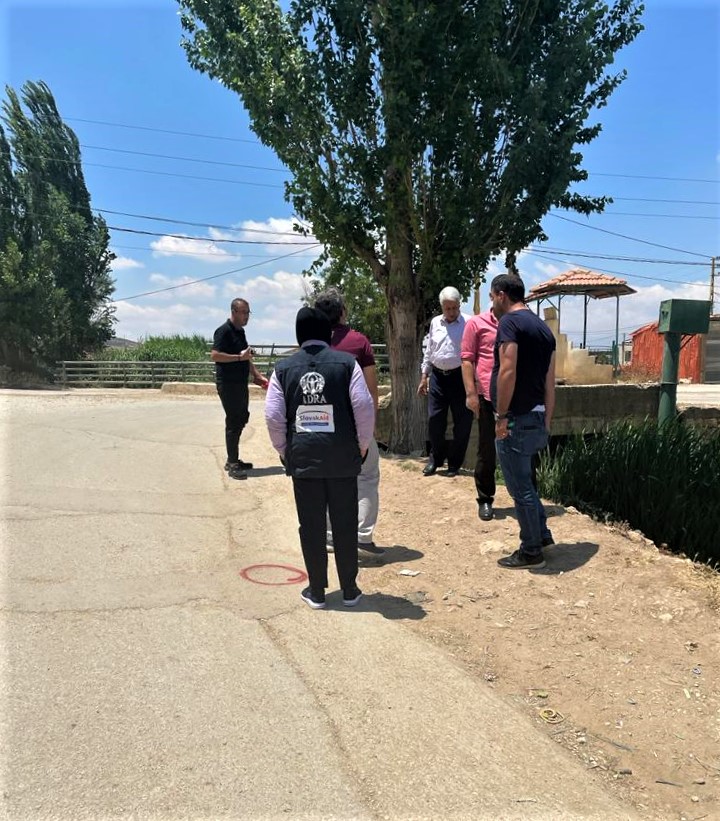
ADRA Slovakia, in cooperation with ADRA Lebanon, is implementing its third project in Lebanon aimed at providing safe, affordable and sustainable access to critical water supply infrastructure.
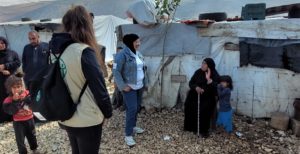
The project aims to improve the quality of life of the Syrian refugee community and vulnerable Lebanese communities in the Bekaa Valley, their sanitation, and energy self-sufficiency.
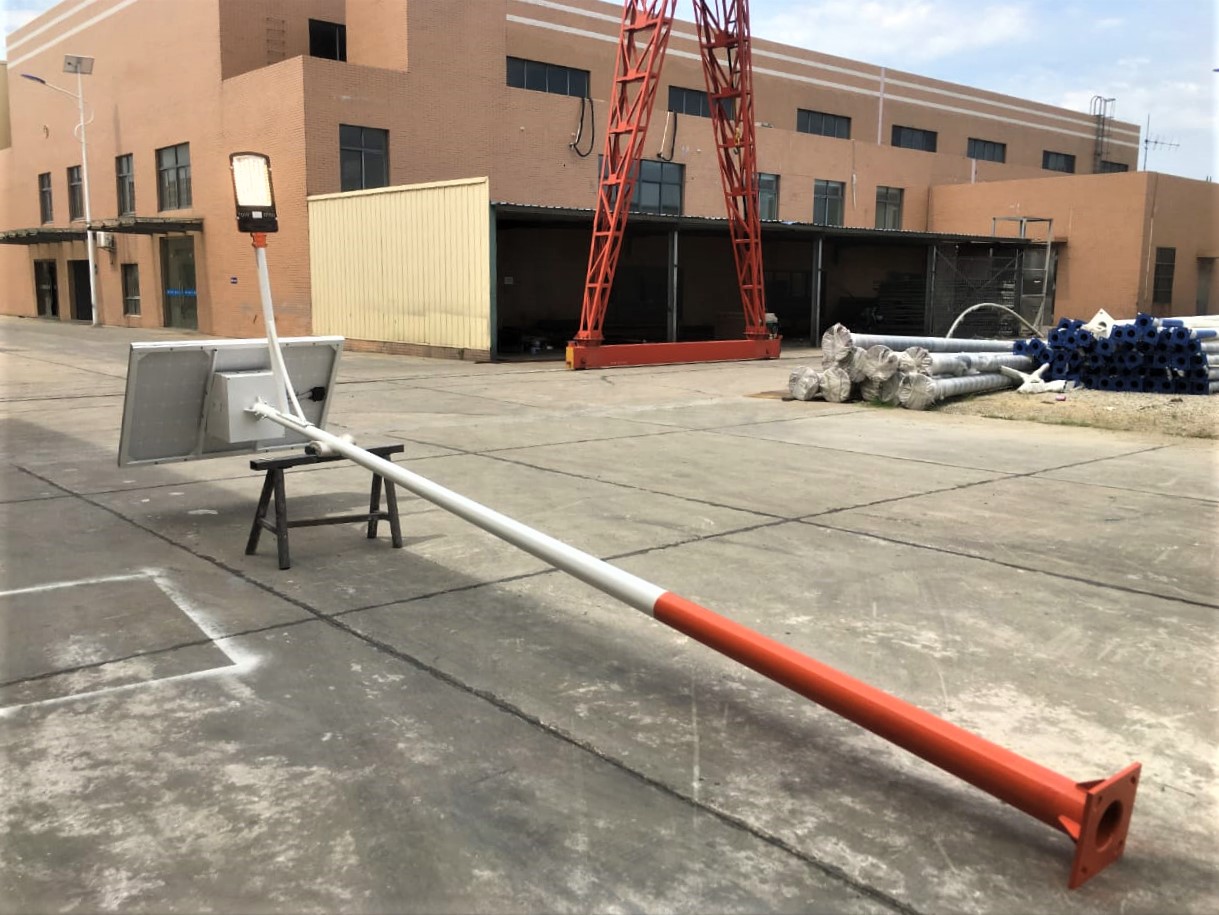
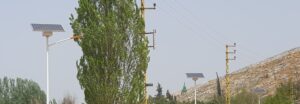
Construction of water supply infrastructure and connection to solar system
The first part of the activity will be the construction of a water supply infrastructure and its connection to a solar system in an informal refugee settlement.
The second part of the activity will be the installation of a pump and a new solar system on the already existing water supply infrastructure in the informal refugee settlement.
The construction and connection of the solar system will generate electricity that will provide 44 Syrian families (approximately 230 people) with easy and cost-effective access to drinking water.
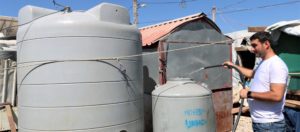
Distribution of plastic water tanks for families and schools
The unavailability of drinking and drinking water is a problem not only for Syrian refugees but also for the local Lebanese community. Many people are forced to use water stored in ditches, ponds or reservoirs, which are unsafe and cause various health problems such as cholera, hepatitis A and scabies.
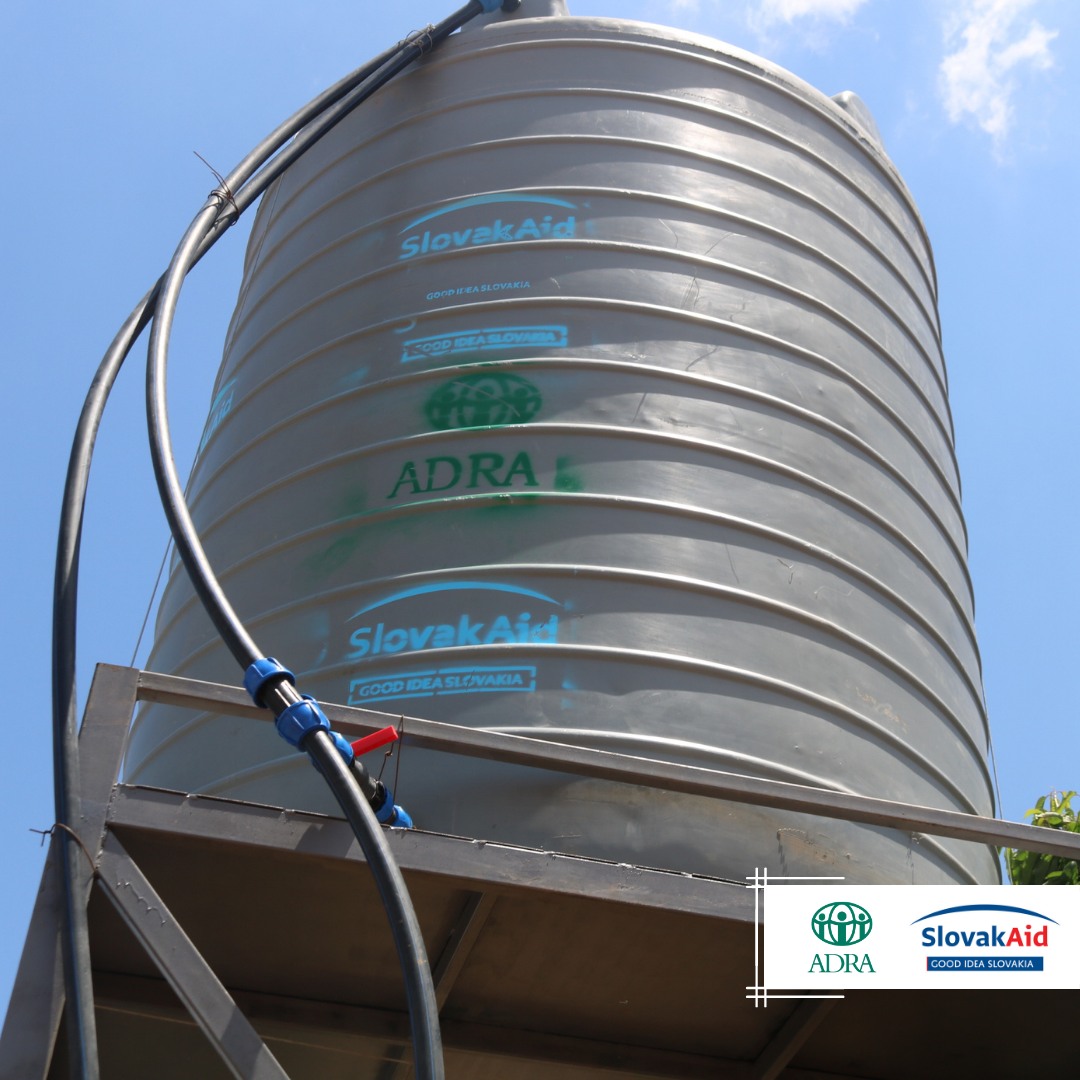
This is why we will strengthen the capacity of low-income households (approx. 9,869 individuals) that have limited access to water resources. Through the distribution of 1,082 plastic tanks of 1,000 litres capacity, we will strengthen the energy self-sufficiency of vulnerable Lebanese community and Syrian refugee families in 6 locations in the Bekaa Valley - Bar Elias, Majdal Anjar, Meksa, Qab Elias, Bwarij and Mrayjat. Another 50 plastic tanks will be handed over to local students and staff in 10 schools.
Equal opportunities, environmental protection and combating climate change
Water scarcity indirectly affects women and children in particular, as they are the ones who have to walk long distances to fetch drinking water. This situation also has a negative impact on the menstrual hygiene of women and girls. In addition to high water prices in Lebanon, households often have to make difficult choices and sacrifice their children's education in order to save money for survival. By distributing plastic reservoirs, we will reduce the disproportionate burden that women and children face and improve their quality of life on multiple levels.
Environmental degradation in Lebanon is directly linked to access to water. As water scarcity is felt throughout the country, residents rely on buying bottled water or tanker imports, which is not sustainable in the long term and has a negative impact on the environment.82





 EN
EN  SK
SK